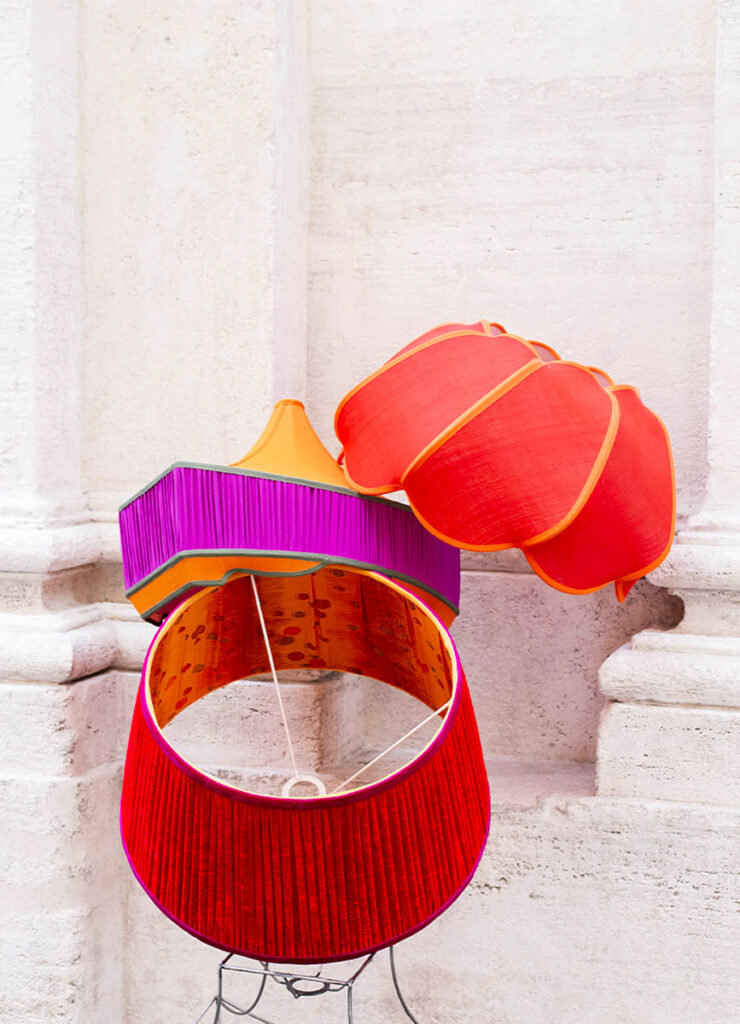


Some workshops don’t really sell objects—they craft atmospheres. Il Paralume, in the heart of Rome, works with an invisible yet decisive material: light. Step inside, and your attention shifts from things to their shadows, from bold color to subtle gradations. A handmade lampshade is never a mere accessory. It is a small emotional architecture—capable of making a space feel calmer, warmer, more ours.
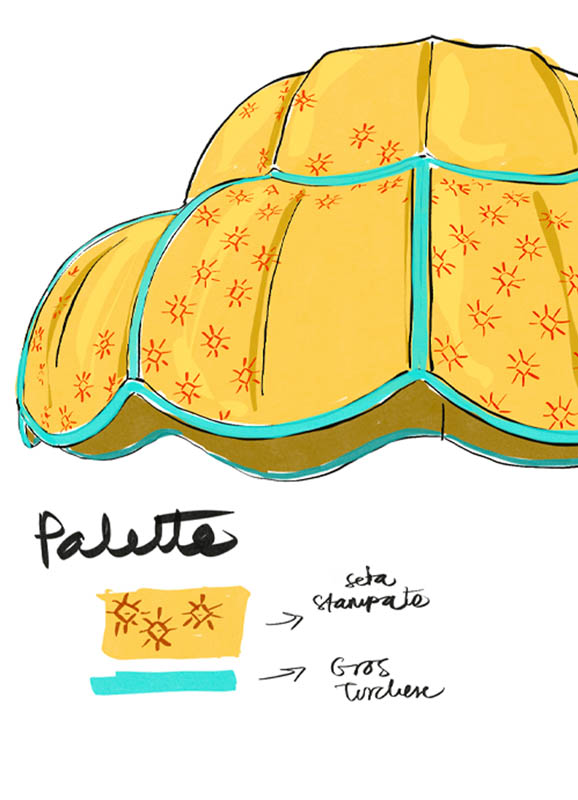
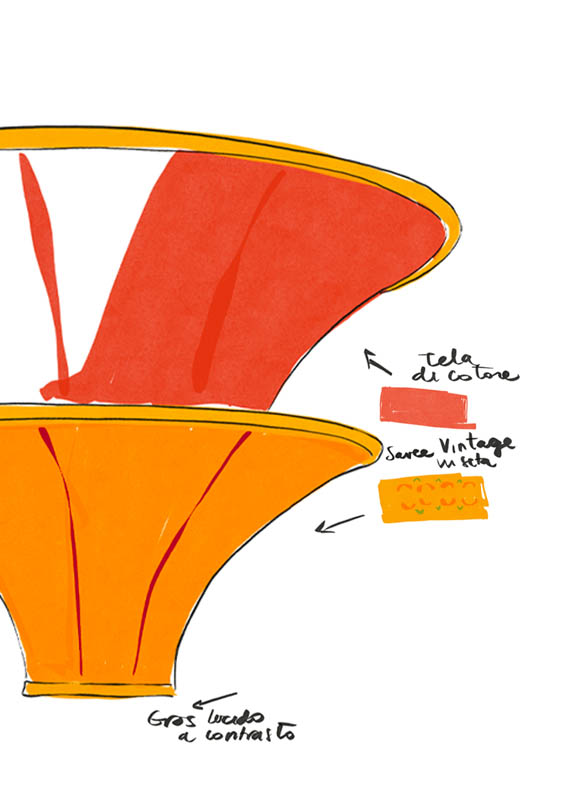
Light as a Rhythm: Intimate, Domestic, Essential
Light doesn’t just illuminate; it sets the pace of a room. It’s the difference between a corner that stays anonymous and a place where you naturally sit down, read, and speak softly. In Il Paralume’s vision, light is intimate—present without insisting, like a quiet soundtrack that follows everyday gestures. A well-designed shade softens contrast, protects the eyes, and invites slowness. It becomes a gentle filter between us and the world.
Visualizza questo post su Instagram
When Fabric Meets Space: Choosing Not Only “What,” but “How”
In a bespoke lampshade, fabric is never a purely decorative choice—it’s a decision about the character of light.
A pale linen diffuses brightness and lets the room breathe, offering a natural, understated glow. A delicate silk or a light chiffon can make a lamp feel like a veil, turning illumination into something almost tactile—a soft touch in the air. Japanese paper has a different kind of poetry: more graphic, more contemplative. It holds and blurs the beam, drawing calm across surfaces like a lantern that brings order to a room.
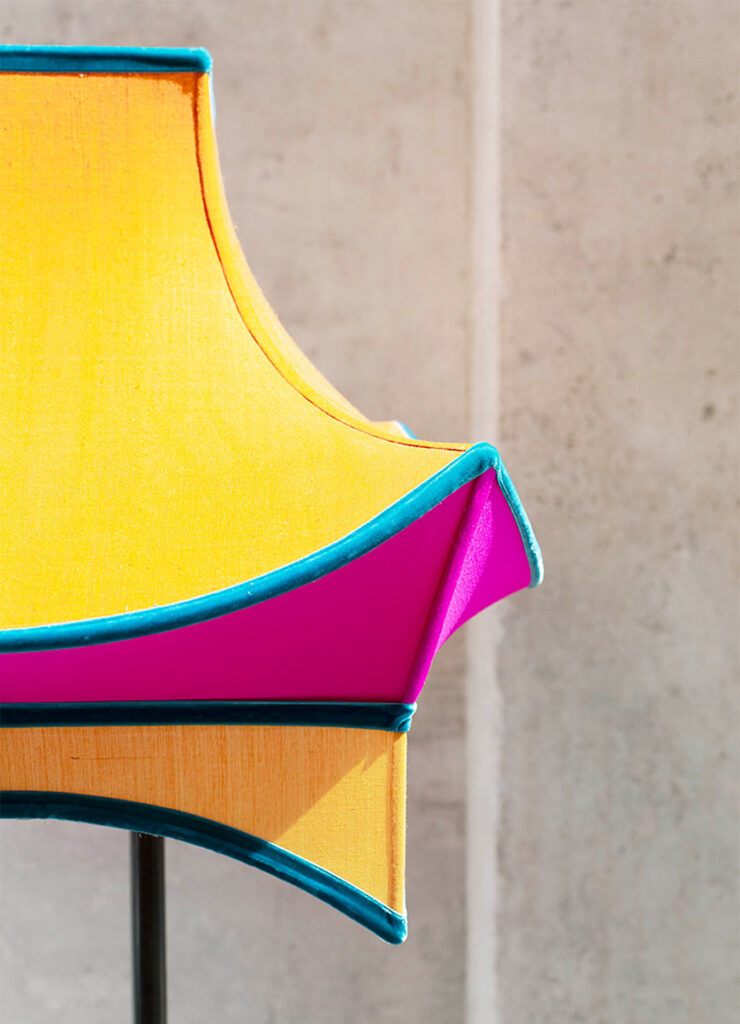
Then there are the contrasts: a trim that matches, or a border that dares; a thin line of color that quietly speaks to a rug, a curtain, a painted wall. The fabric doesn’t simply “go with” the space—it harmonizes with it. And in that harmony, you can sense whether a room is meant to be rushed through or truly lived in.
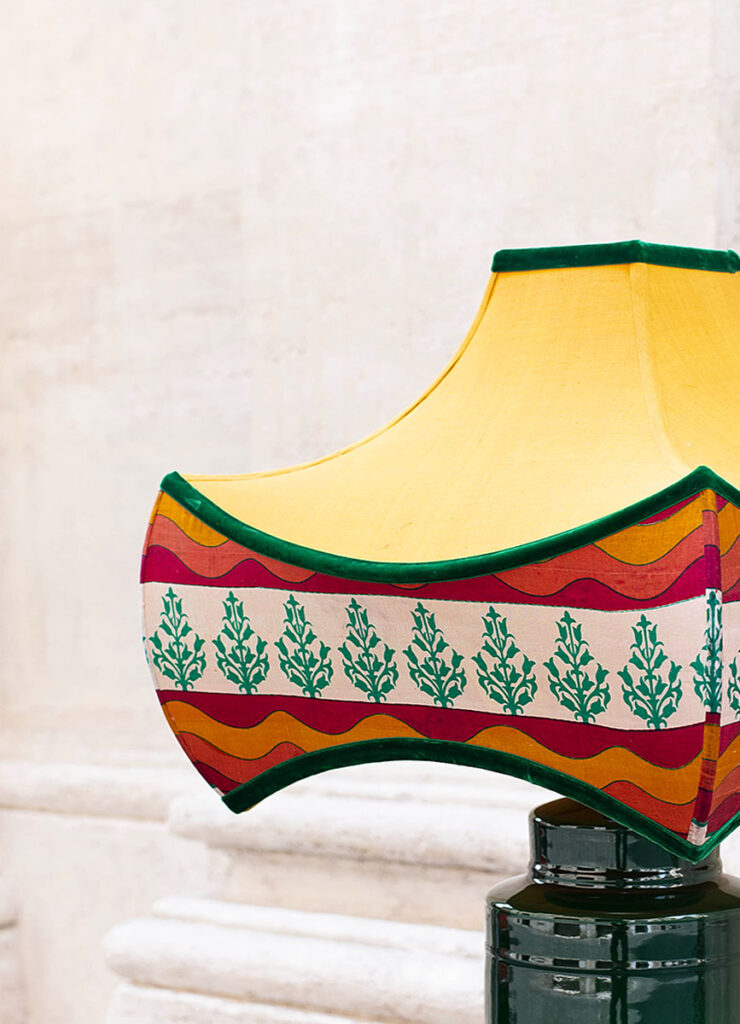
Shapes That Conduct an Atmosphere
Form, too, is a kind of storytelling. A clean cylinder feels contemporary and disciplined; an oval becomes more embracing; a pagoda introduces theatrical shadow; a tulip shape guides the eye and contains glare. Pleated textures, gathered finishes, honeycomb patterns—each technique changes how light “breaks” and settles on furniture and walls. Here, these choices are not a catalogue. They’re an answer. The shade will work with a specific table, a console, a bedside, high ceilings, or a compact room, in a sun-filled home or a more shaded interior.
Craft That Listens: Bespoke as a Relationship
Il Paralume describes a handmade process—patient, precise—built in the details. But the rarest part is listening: understanding what kind of light a person longs for.The craftsman’s skill is to understand what kind of silence they want in their home and what kind of energy a room should have.
Bespoke is not about luxury. It’s about attention. It’s deciding that light should be not only functional, but consistent with the life unfolding beneath it.