

People of The Sun is a design brand made of craft, place, and deep relationships with makers. While exploring the fair, the collection on show and its founder both caught our eye. Founded in Malawi by Greek architect Maria Haralambidou, the project evolved from years spent walking through markets and visiting villages. Here, ancestral skills and local materials have formed a living culture of making. Today, People of the Sun translates that knowledge into contemporary collections with a “slow, local, intentional” supply chain—an approach that prizes rhythm over rush and meaning over mass production.

People of The Sun: From Artisan Networks to Contemporary Design Collections
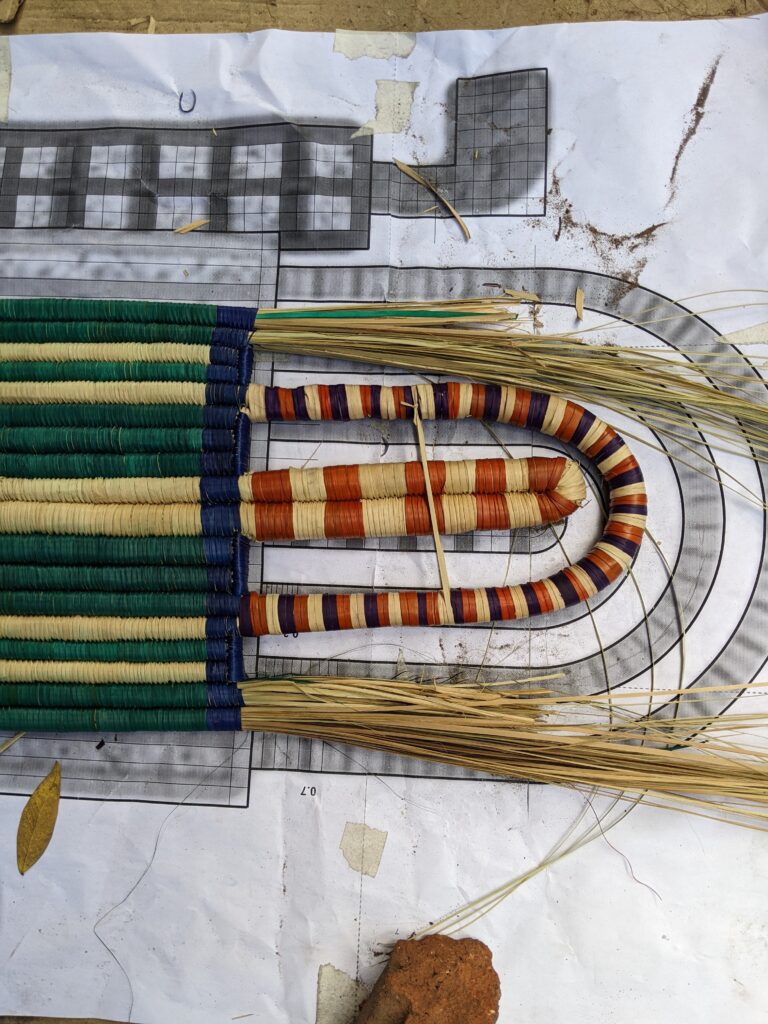
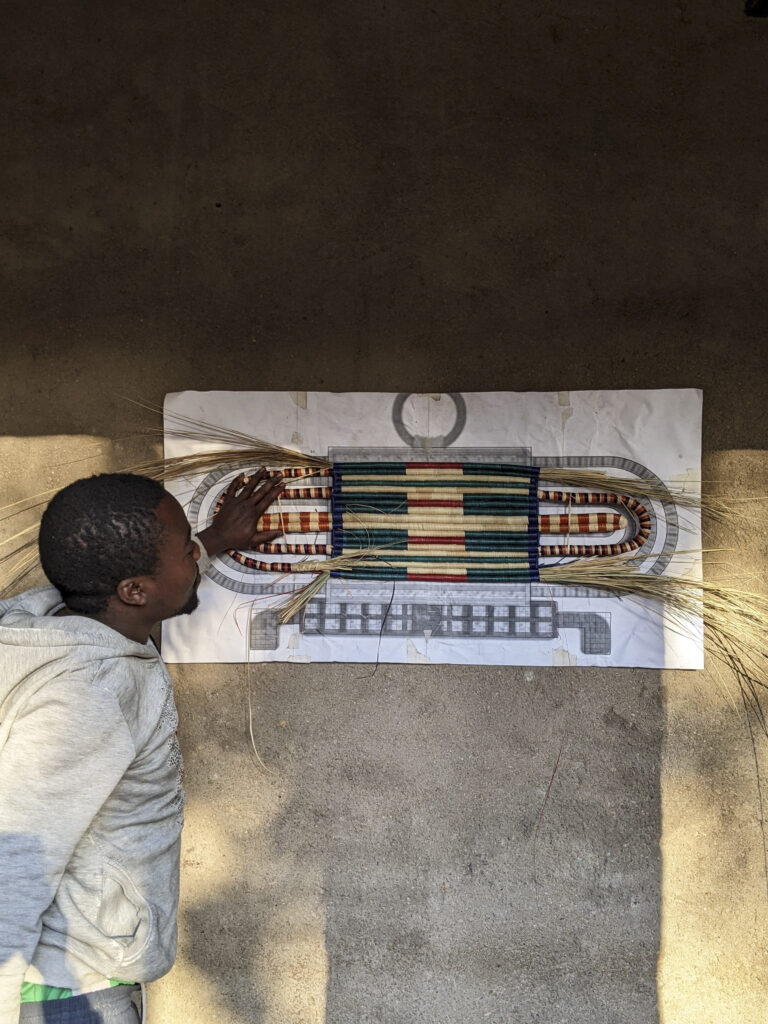
From the beginning, the brand has served as a bridge, connecting indigenous artisans—wood carvers, basket weavers, and metalworkers—with designers who understand that innovation can honor tradition rather than replace it. Its “Designer Editions” capture this exchange, yielding pieces that are fresh yet rooted. Collaborations have ranged from playful textiles to sculptural storage and seating—each developed in close collaboration with specific artisanal clubs. The result is not just new objects, but new momentum for local workshops and skills.
Edit Napoli 2025: A Strategic Platform for Independent Design
Edit Napoli has become a barometer for responsible, independent design—a place where material intelligence meets editorial curation. The fair’s ethos mirrors the brand’s own evolution from a grassroots platform to a refined design house, while keeping hands-on making at its center.
Elena Salmistraro x People of The Sun: “Dubi & Mubi”
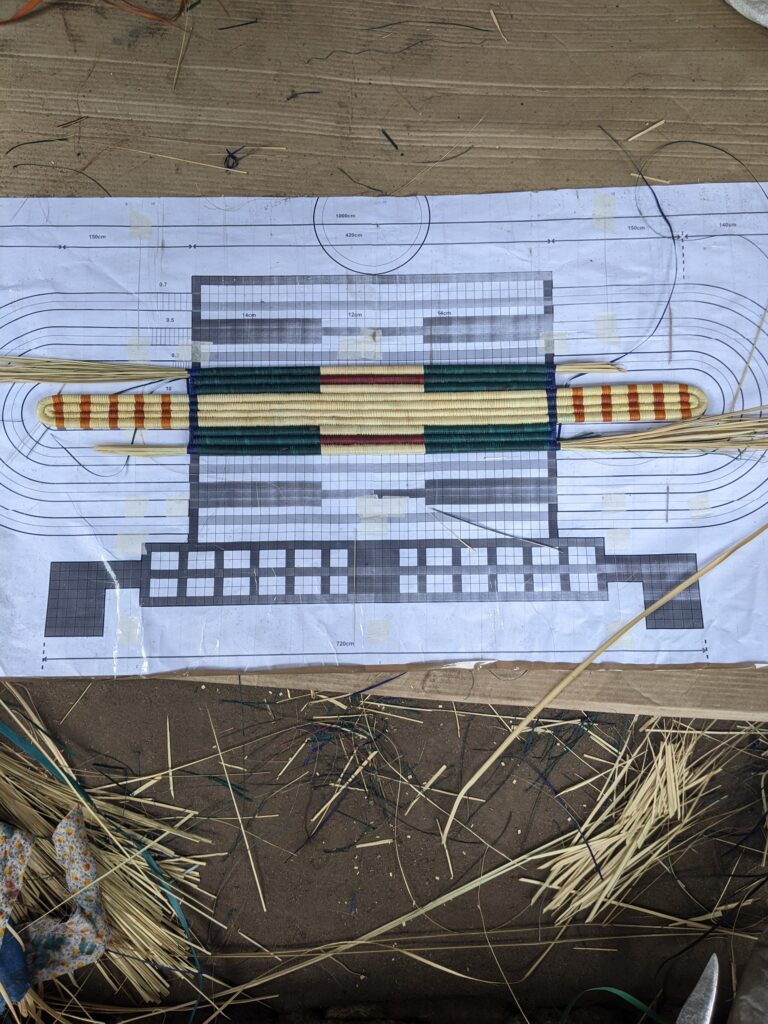
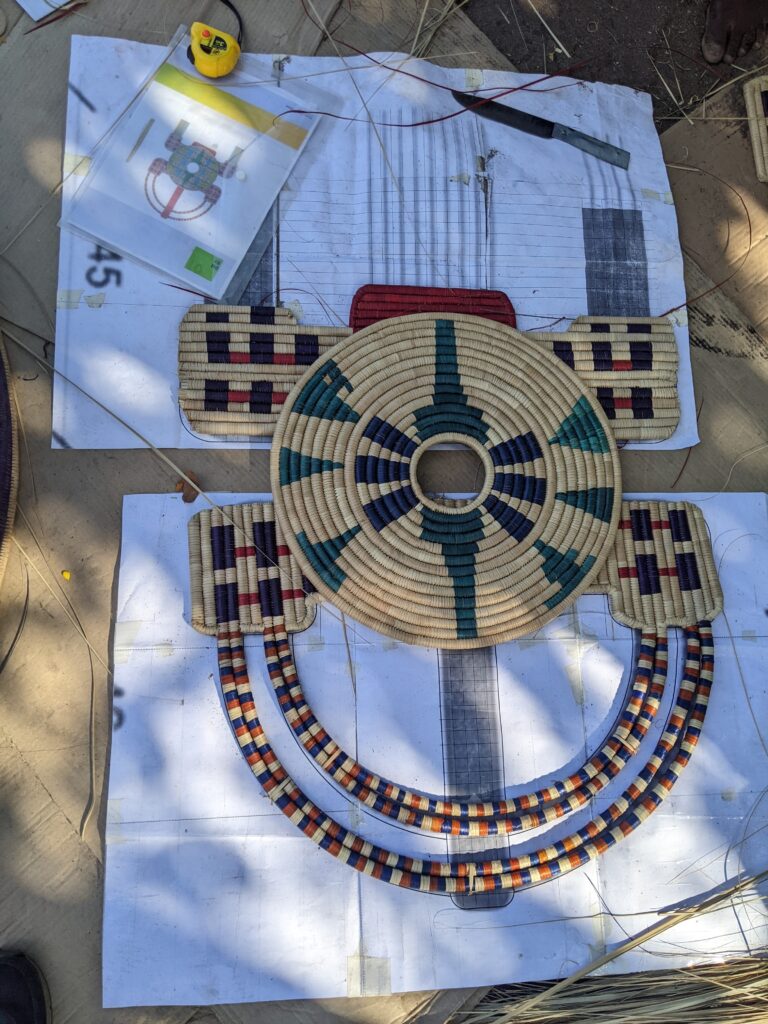
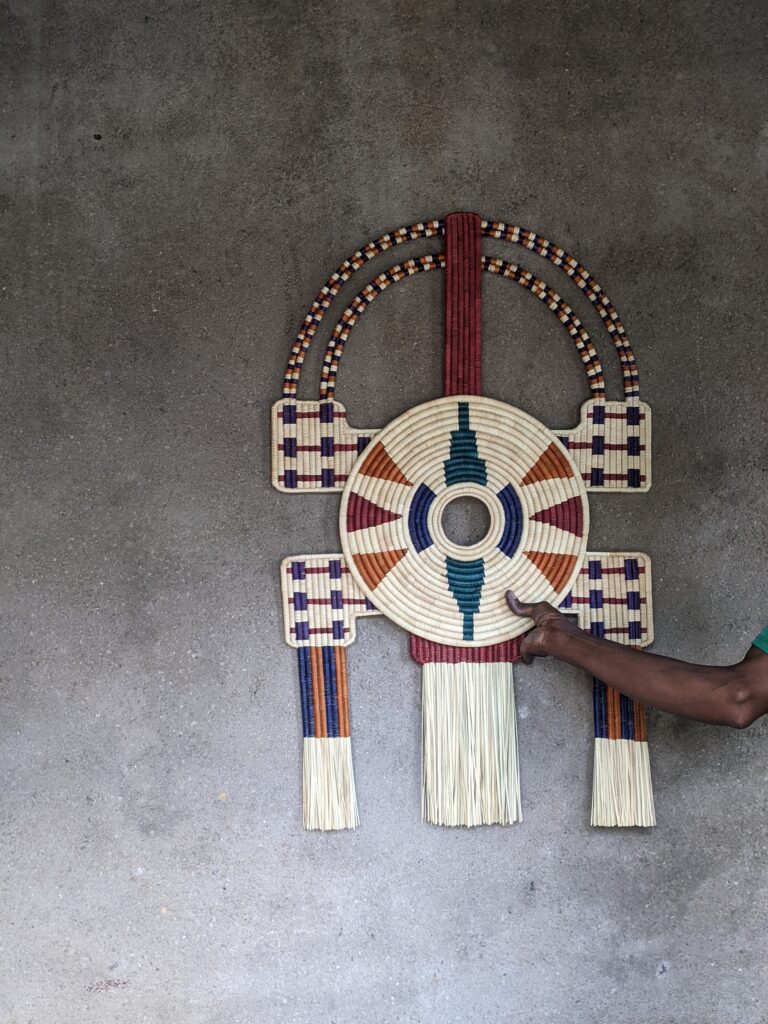
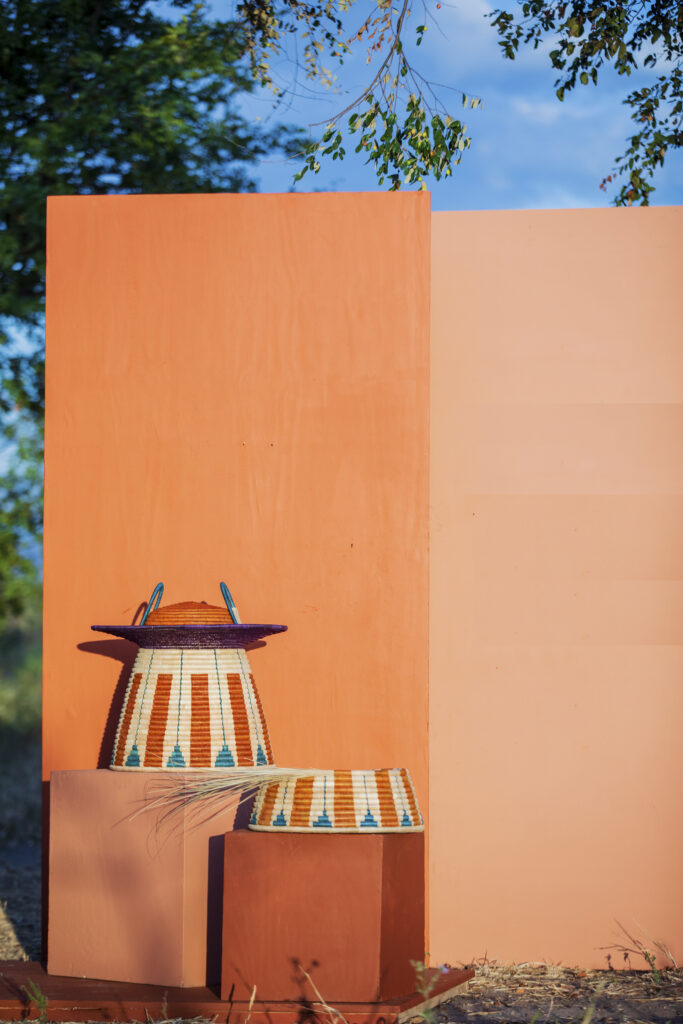
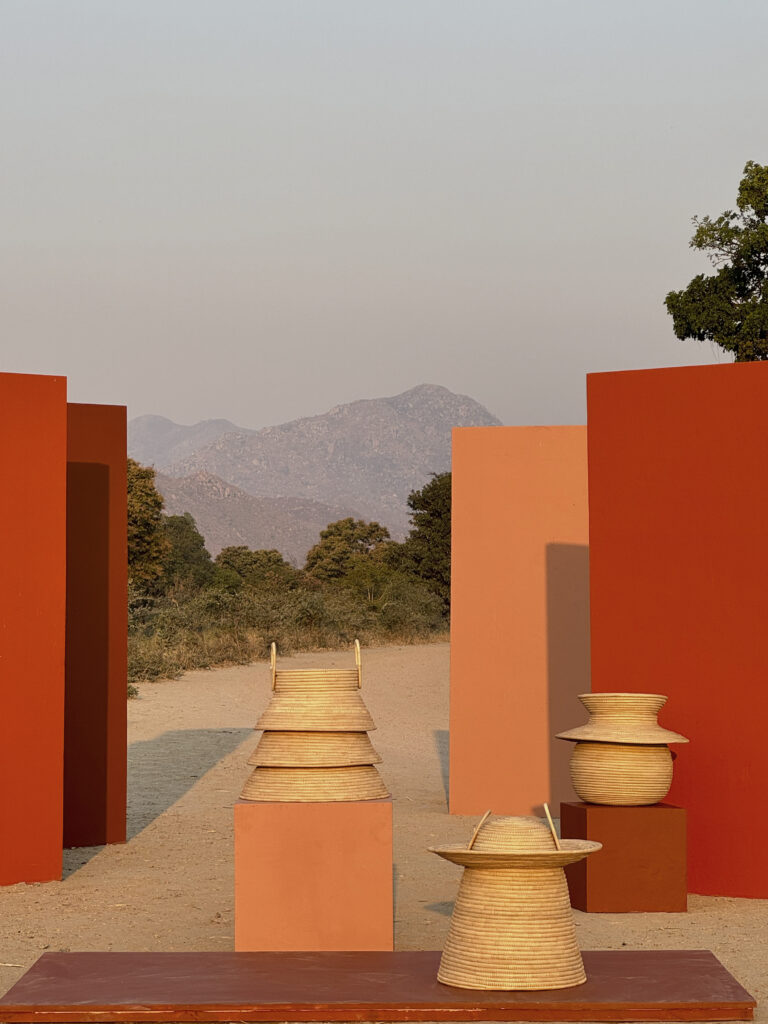
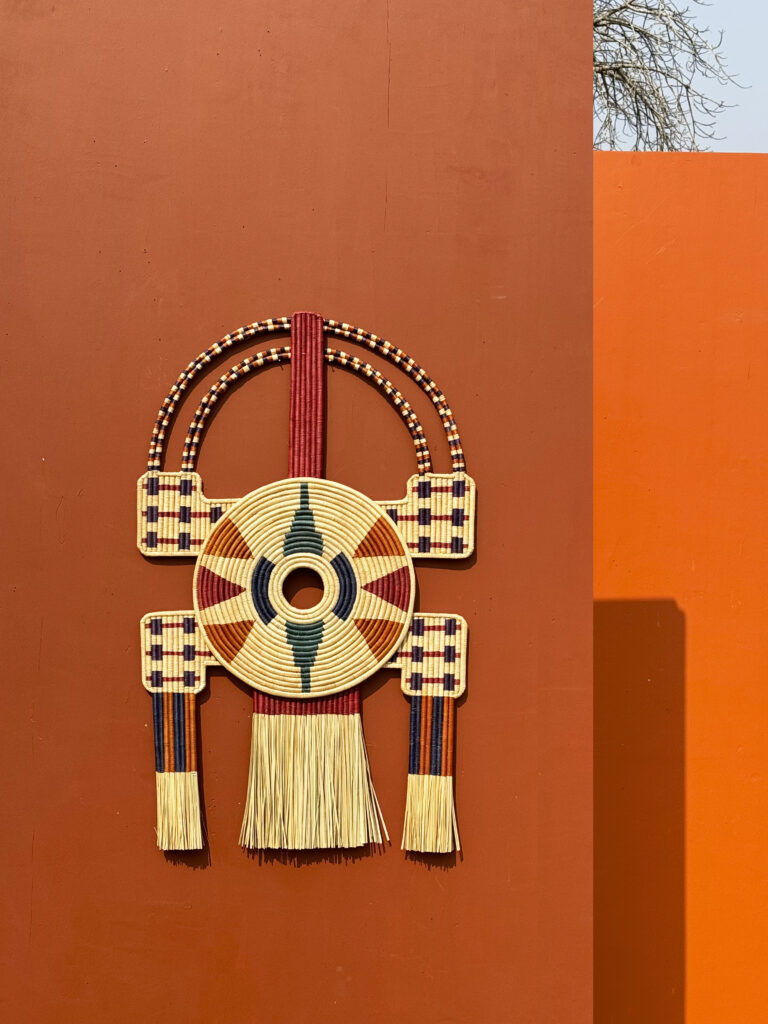
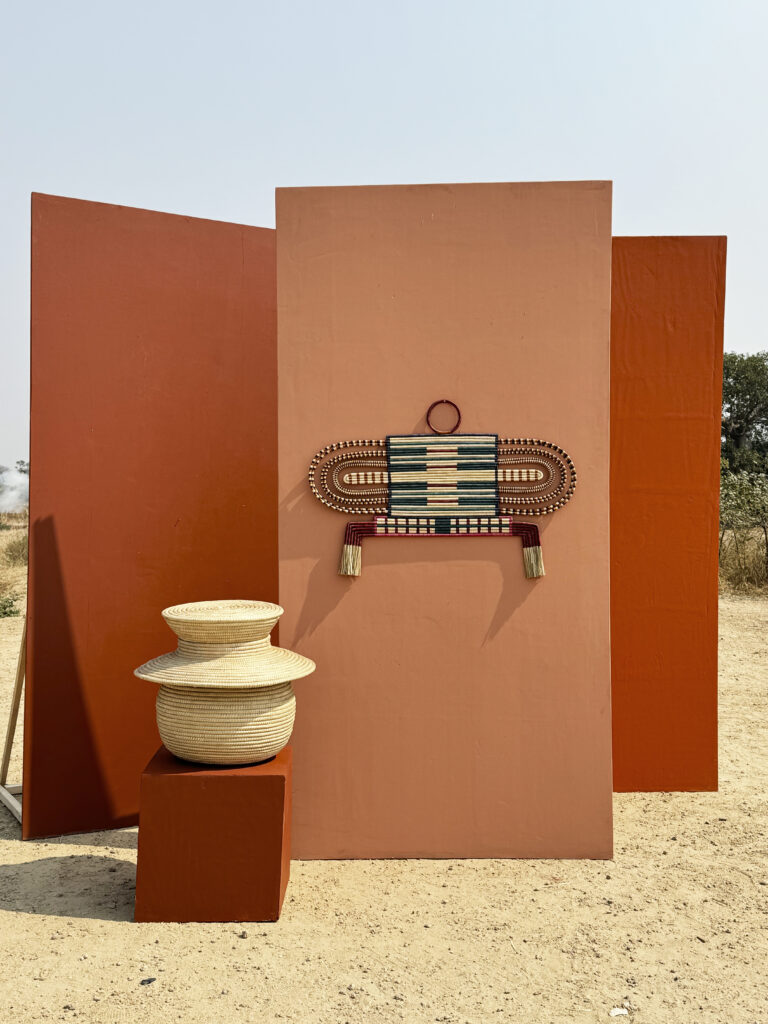
The standout in Naples was a new collaboration with Milan-based designer Elena Salmistraro, unveiled as “Dubi & Mubi.” Known for transforming archetypes into vibrant, character-driven forms, Salmistraro worked with People of the Sun to interpret Malawian techniques through her expressive visual language. The project extends the brand’s dialogue between material culture and contemporary imagination, folding texture, weave, and carving into playful, totemic silhouettes that feel both familiar and surprising.
Why This Collaboration Matters for Craft and Culture
“Dubi & Mubi” crystallizes People of the Sun’s model: design doesn’t just use craft; it converses with it. Salmistraro’s approach amplifies the artisans’ vocabulary rather than overwriting it, allowing traditional techniques to become narrative elements. It also pushes the brand’s forms and scales. While People of the Sun has long produced refined, everyday pieces, this collection leans into bolder gestures and a more figurative register—keeping heritage techniques alive by challenging and evolving them.
Sustainable Production with Local Materials and Skills
At the heart of the brand is a commitment to sustainable, place-based production. Working with local materials—such as responsibly sourced wood and natural fibers—People of the Sun anchors value within artisan communities. The brand’s short supply chains reduce environmental impact while ensuring that economic benefits stay close to the workshops. Each piece carries the imprint of its makers, turning objects into stories about people, place, and process.
Edit Napoli’s Curatorial Lens Elevates the Message
The Naples context reinforces the collaboration’s message: craftsmanship is not a nostalgic relic; it’s a contemporary proposition with social, cultural, and economic significance. By situating “Dubi & Mubi” among projects that explore accessible excellence and material experimentation, Edit Napoli underscores that the future of design is all about collaborations that respect origins while embracing new forms and functions.
Looking Ahead: Story-Driven Capsules and Lasting Impact
This partnership suggests a broader trajectory for the brand. People of the Sun is moving toward capsule collaborations and story-driven collections that span objects and environments. Projects like “Dubi & Mubi” demonstrate how that evolution can remain rooted in the people and places that initiated it. When a designer’s imagination meets a community’s know-how, the outcome is more than beautiful products—it’s an ecosystem sustained by curiosity, respect, and shared authorship. In a market that often confuses novelty with value, People of the Sun offers something rarer: design that grows from the ground it stands on.
To visit People of The Sun’s website, go here >
Read similar articles on Hue&Eye Mag >


