

Graphic design history is often told as a timeline of styles, but the more interesting story is about shifts in visual thinking. The designers who truly matter are not just the ones with recognizable work. They are the ones who changed how design behaves in the world: how typography speaks, how brands earn trust, how magazines carry attitude, and how images can do more than decorate a page. If you want to understand contemporary visual culture, these are the graphic design pioneers you should know first.
Why Graphic Design Pioneers Still Matter
The phrase graphic design pioneers can sound academic, but their relevance is anything but historical. These designers still shape the way creative work is taught, commissioned, and judged today. Some built systems made communication clearer and more durable. Others challenged those systems, opening the door to more expressive, emotional, or disruptive forms of design. Together, they created the visual language many younger designers now take for granted.
Graphic Design Pioneers Who Changed Typography and Editorial Design
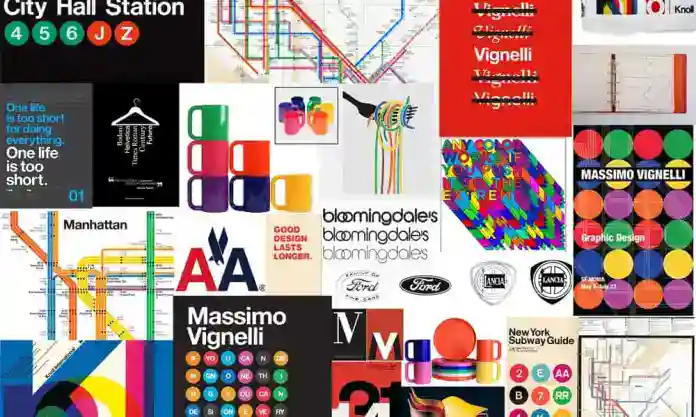
A good place to begin is with the designers who transformed typography from a neutral tool into a cultural force. Massimo Vignelli represents one essential pole of design history: order, discipline, reduction, and the belief that clarity can be powerful. His work remains a lesson in systems thinking and brand coherence.
At the opposite but equally important edge stands Wolfgang Weingart, whose experiments helped loosen the grip of Swiss modernist rigidity. His importance lies not in disorder for its own sake, but in showing that structure could be stretched, challenged, and reimagined.
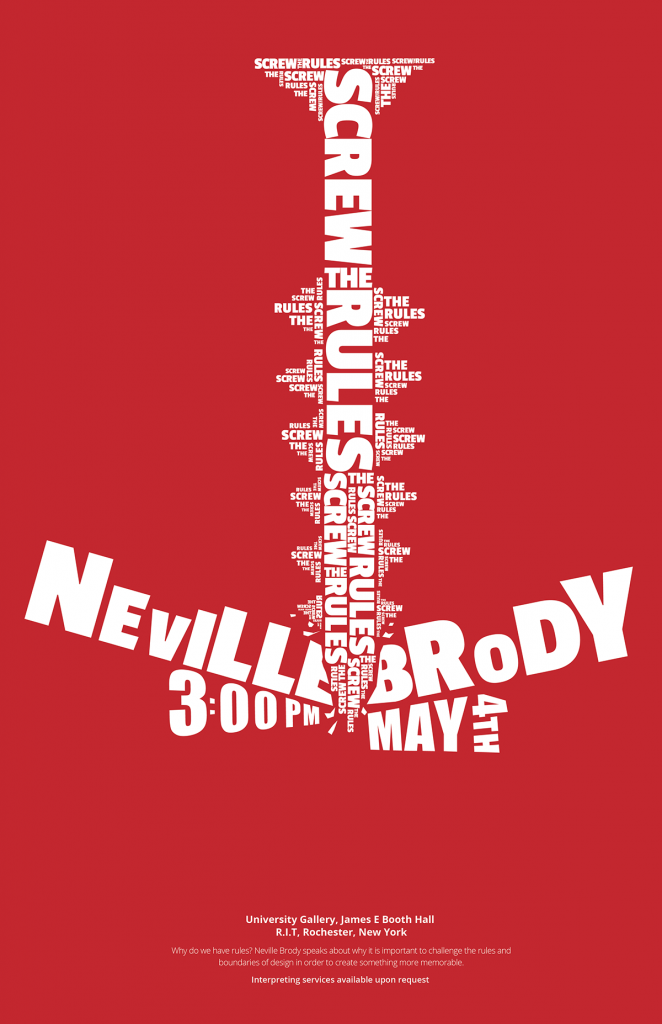
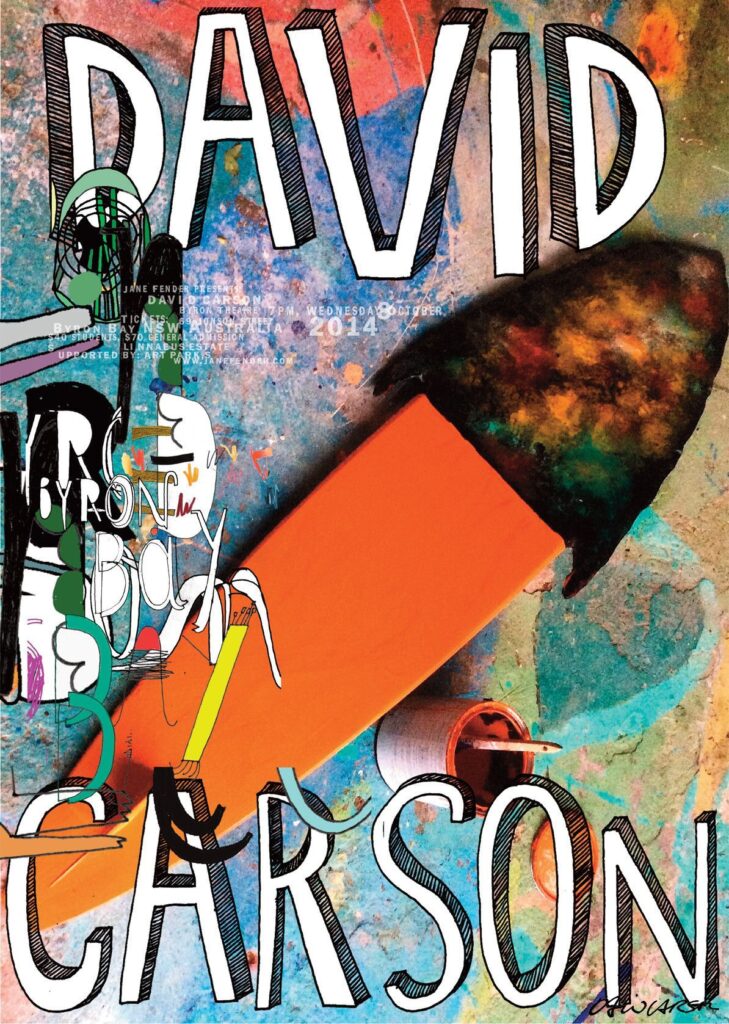
That opening was pushed further by Neville Brody, who turned typography into mood, friction, and cultural identity. His editorial work proved that type could carry attitude just as strongly as image. Then came David Carson, whose pages made design feel unstable, emotional, and alive. Carson’s significance was not simply “grunge typography.” It was his insistence that the visual form of a page could shape meaning as much as the text itself.
Graphic Design Pioneers Who Reimagined Branding and Visual Communication
Another group of pioneers changed the field by expanding the scope of visual communication. April Greiman helped move graphic design into a more experimental, hybrid, and digitally aware era. Her work matters because it challenged the assumption that design had to remain clean, flat, and restrained in order to be serious.
Paula Scher brought intelligence, scale, and expressive typography into identity design, proving that branding could feel both strategic and unmistakably personal. Milton Glaser, by contrast, showed how graphic design could reach mass culture without losing warmth, humanity, or visual wit. Their work still anchors conversations about what makes design both memorable and widely resonant.


To bring the story closer to the present, Jessica Walsh represents a newer generation of design influence: emotionally charged branding, bold visual storytelling, and a creative voice that feels both highly constructed and immediate.
She shows that pioneer energy is not locked in the past. It continues to evolve.