

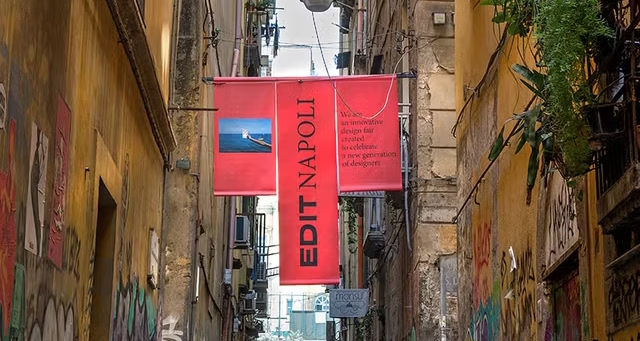

The independent design fair returns to La Santissima this October. Hue & Eye looks at the designers, materials, and ideas worth watching in Naples.
Since 2019, EDIT Napoli has made a persuasive case for looking more closely at design.
Not simply at how an object looks, but at how it came into being.
Who conceived it? Who made it? Which materials and processes shaped it? And can a contemporary object carry knowledge passed down through generations without turning that knowledge into nostalgia?
These questions return this autumn.
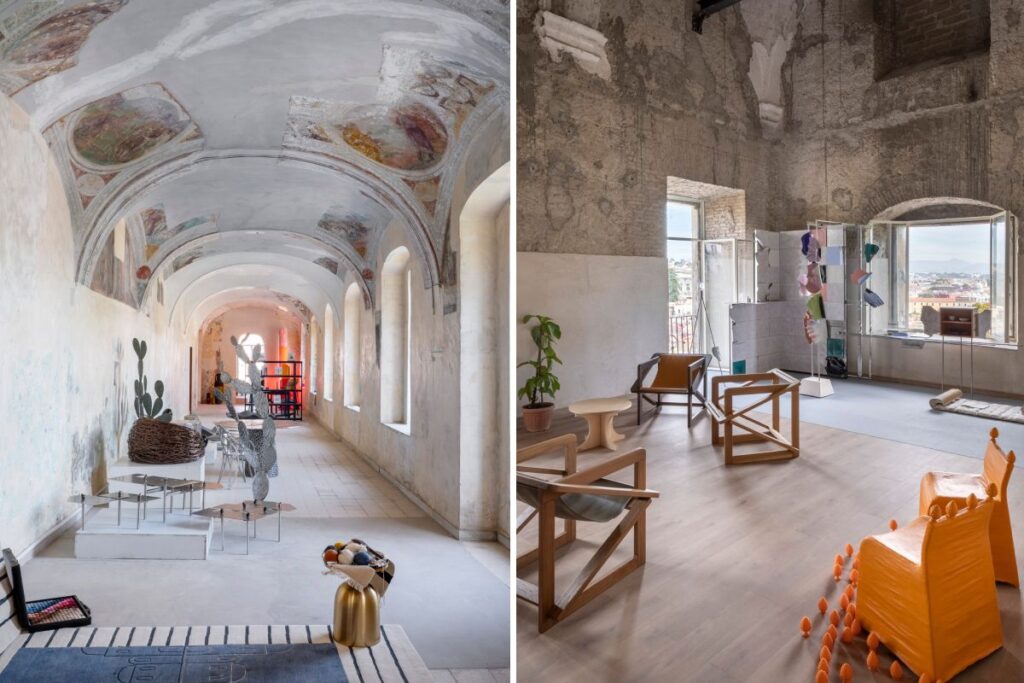
From 9 to 11 October 2026, EDIT Napoli returns to La Santissima, inside the historic SS. Trinità delle Monache complex in Naples’ Quartieri Spagnoli.
The former convent became the fair’s home in 2025. Its architecture now sets the scene for the eighth edition of a fair devoted to independent production, material research, and design that stays close to the act of making.
What Is EDIT Napoli?
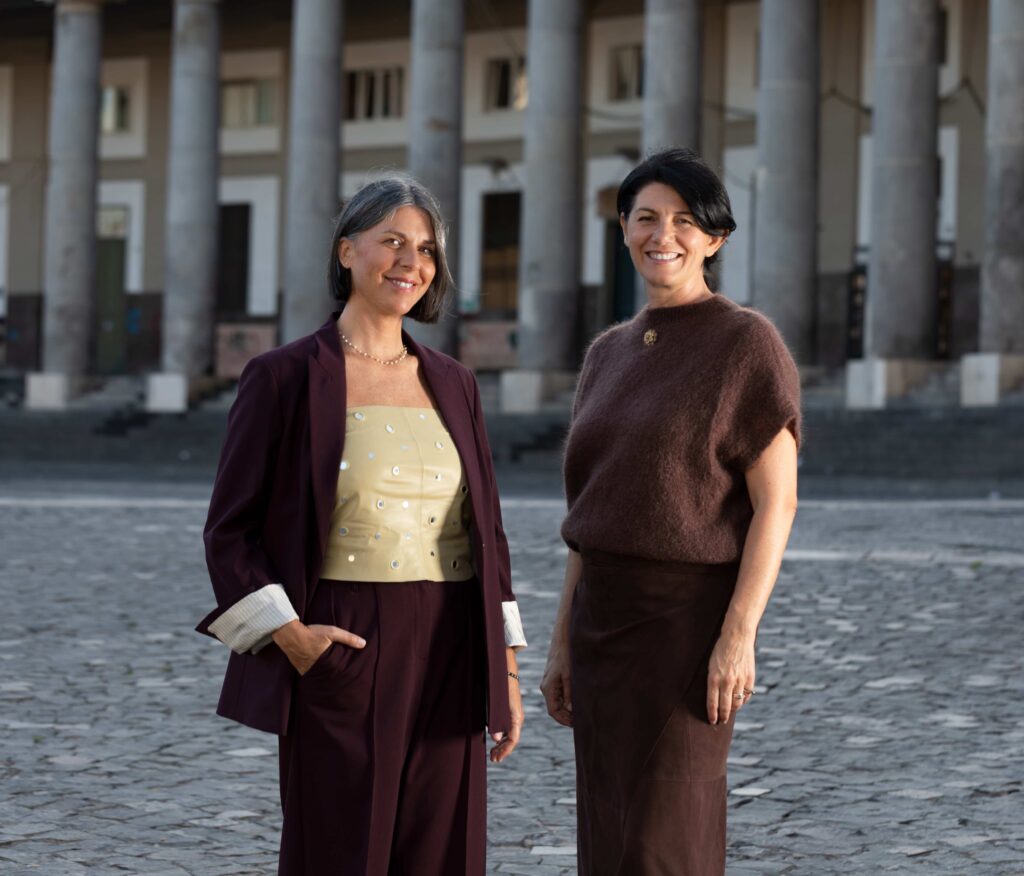
EDIT Napoli was founded in 2019 by Emilia Petruccelli and Domitilla Dardi around a specific idea of contemporary design.
Here, the designer does not necessarily stop at the drawing board.
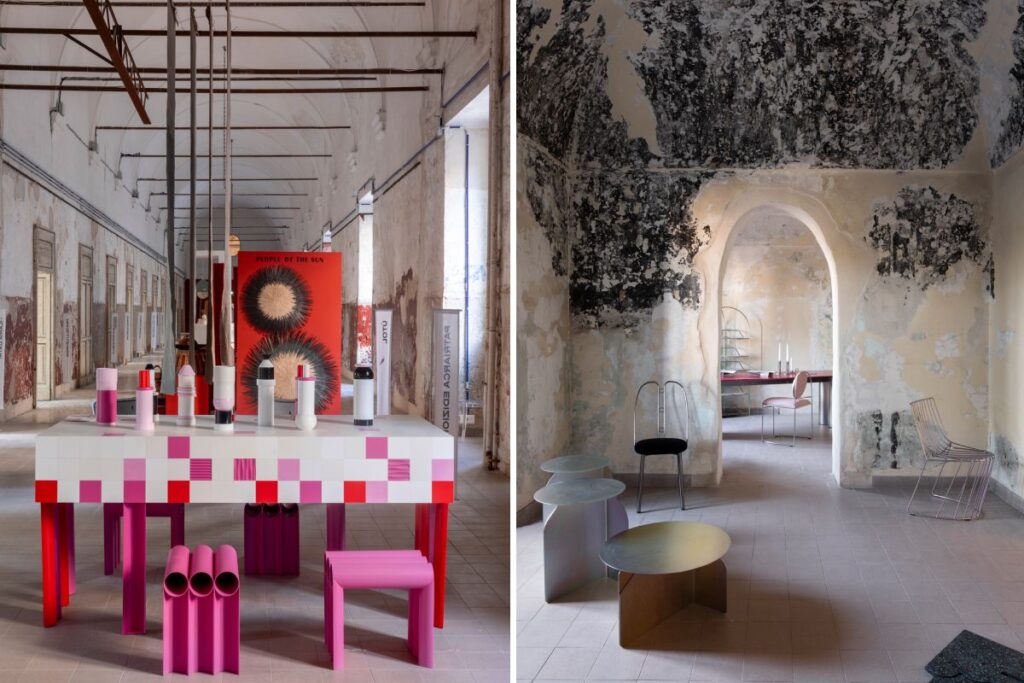
Instead, EDIT focuses on the rise of the designer-maker. It brings together independent producers, craftspeople, designers and manufacturers who stay closely involved in how their objects are developed and produced.
From its first edition, the fair has placed research, production quality and material knowledge at the center of its selection.
That distinction still gives EDIT a different rhythm from many larger international design events.
Objects rarely appear detached from their origins. Materials matter. Processes matter. The people behind them remain visible.
A Design Fair Built Around Making
For 2026, EDIT continues to favor practices rooted in making.
The fair looks closely at manufacturing processes, materials, authenticity and reproducibility. Objects should move beyond one-off exercises. They need the potential to exist as products.
That creates a productive space between contemporary design and craft.
Traditional techniques can sit beside digital processes. Familiar materials can take on less familiar forms. Small-scale production can coexist with the possibility of wider manufacturing.
Most importantly, the maker does not disappear behind the finished object.
For Hue & Eye, this is where EDIT becomes especially relevant.
Design images now travel faster than physical objects. We often encounter a chair, lamp, or vessel on a screen long before we understand its weight, texture, or construction.
In that context, knowing how and why something was made becomes part of its value.
What to Expect at EDIT Napoli 2026
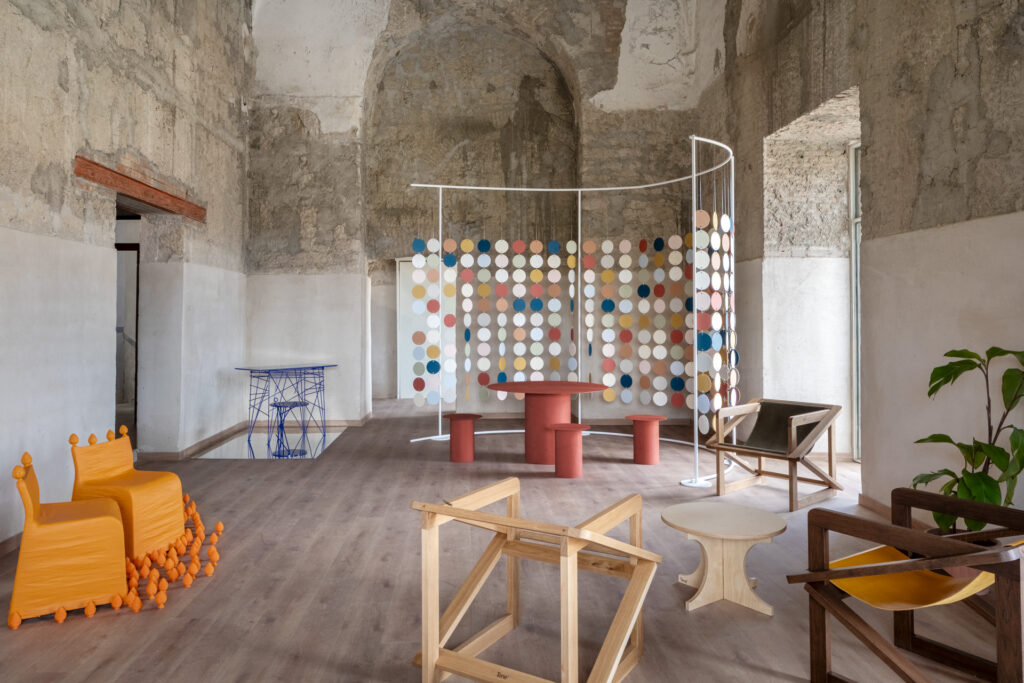
The main fair will once again occupy La Santissima, overlooking Naples from the Quartieri Spagnoli.
Alongside independent designers and established producers, EDIT will continue its commitment to younger practices through Seminario.
The section is reserved for designers, artisans and entrepreneurs under 30, as well as companies founded within the previous three years. It gives younger studios a place inside the fair without separating them from the wider conversation around production and materials.
The Best Unreleased Product Award will also return in 2026. The prize recognizes new work presented by exhibitors and not previously published, marketed or shown publicly.
This year’s jury includes Maria Dolores Uribe, founder and creative director of Studio 84 and UNNO Gallery; designer Francesca Lanzavecchia; Asad Syrkett, Head of Editorial Content at AD Italia; and designer and entrepreneur Aliai Forte.
Still, the real pleasure of EDIT comes from moving between very different ways of thinking about objects.
The Designers on Hue & Eye’s Radar
Several exhibitors have already caught our attention.
Among the names on the Hue & Eye radar are ÙTOL, GNSK_K by Gensuke Kishi, Le Forme Atelier by Amauta Ciriaci, DLA Design Lab, Bottega Vazzoler, Madame Bozarjiants by Design Bureau, MA_ST_AR by Maja Stamenković, and David Valner Studio.
For now, we will leave the list there.
A press image can tell us something. A product photograph can tell us more. But material, proportion, finish, and presence often become clear only when you encounter an object in person.
We would rather meet the work in Naples before deciding which designers truly deserve a closer look.
Expect that conversation to continue after the fair.
EDIT Cult Brings Contemporary Design Into Naples
One of EDIT Napoli’s strongest ideas happens beyond the main venue.
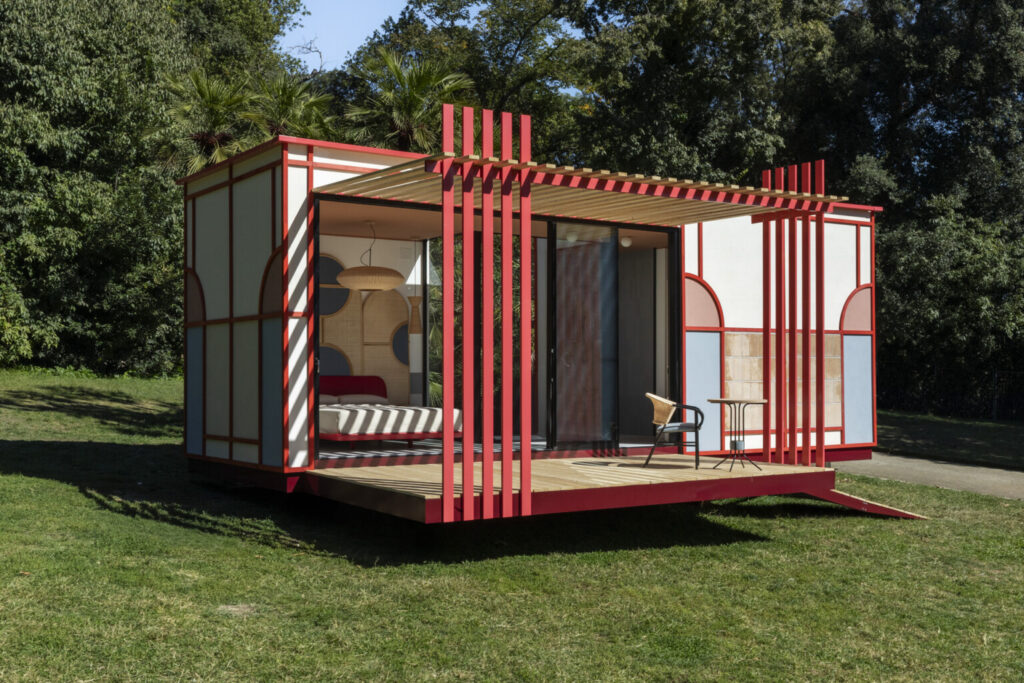
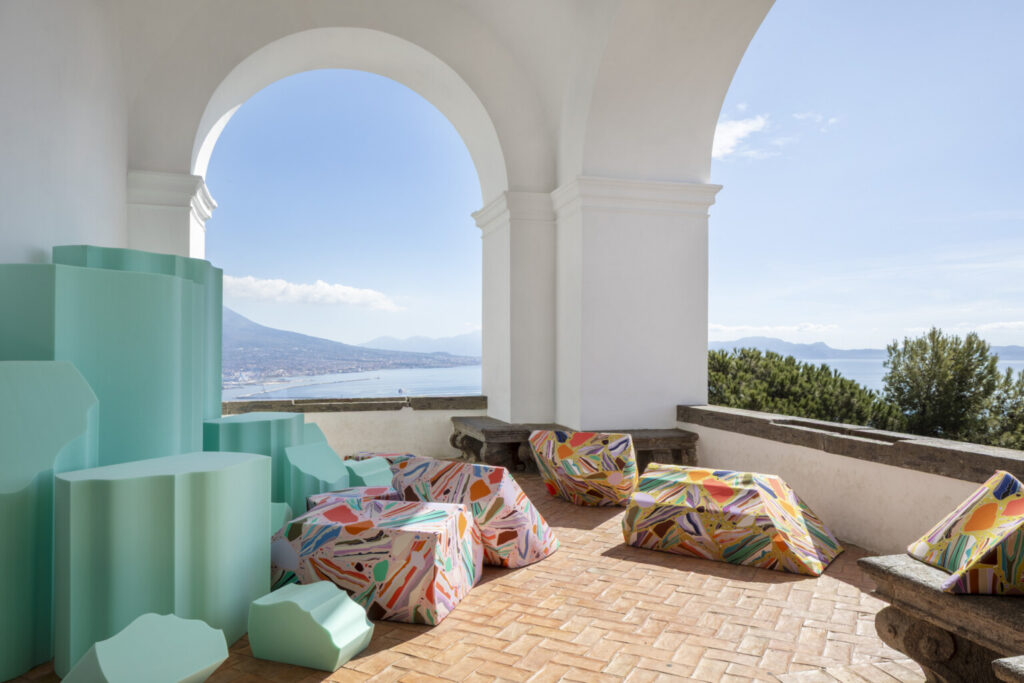
EDIT Cult places design projects inside historic and cultural locations across Naples. Instead of isolating contemporary objects within a fair environment, the program lets them interact with the city’s architecture, collections and memory.
The 2026 program already moves across very different territories.
Common Ground, conceived by Margherita Rui, brings together NasonMoretti, Fornace Brioni, Fortuny, Imolarte and Amenta Incisioni around the table as a place of encounter.
Elsewhere, Light on Spain brings together six Spanish designers: Tomás Alía, Álvaro Catalán de Ocón, Curro Claret, Mayice Studio, Lucas Muñoz Muñoz and Jorge Penadés.
At the Museo Diego Aragona Pignatelli Cortes, Margaret and Christine Wertheim’s Crochet Coral Reef, presented with Museum Frieder Burda, introduces another understanding of making. The project connects handwork, mathematics, collective practice and environmental thought.
Other EDIT Cult projects extend across churches, foundations, museums and historic palazzi throughout the city.
That relationship between fair and city matters.
Naples is not simply a picturesque background for EDIT. Its architecture, craft traditions, density, and contradictions change how the work is experienced.
The city becomes part of the exhibition.
Why EDIT Napoli Matters in 2026
The most interesting question this year may not be what is new.
It may be what kind of newness design actually needs.
EDIT has consistently proposed an alternative to novelty for novelty’s sake.
Many of the practices it supports begin somewhere more specific: with a technique, a place, a material, a manufacturing problem, or knowledge accumulated over time.
That does not make the work nostalgic.It suggests that contemporary design can move forward without pretending that every idea begins from zero.This distinction feels increasingly important.
The strongest objects at EDIT are often those that resist an easy division between past and future. Technology can sharpen craft rather than replace it. Heritage can become a working method rather than a visual reference. Production can leave room for personality without becoming impossible to reproduce.
This October, those are the projects Hue & Eye will be looking for. Not simply the objects that photograph best, but the ones that reveal more when you stay with them.
EDIT Napoli 2026 Dates, Location and Tickets
EDIT Napoli 2026 takes place from 9 to 11 October 2026, from 10 am to 7 pm, at:
La Santissima, Vico Trinità delle Monache 1.
A press preview takes place on 8 October at 17:30.
General admission costs €20, with reduced admission available for eligible students. A ticket to the fair also includes access to the EDIT Cult program.
Hue & Eye will be in Naples to cover the fair, meet its designers and look beyond the objects that make the quickest first impression.
And before we arrive, we are preparing something new.
The Hue & Eye Edit 01 — EDIT Napoli 2026 will be our complimentary editorial guide to the designers, materials, and ideas we believe deserve attention this year.
Consider this the beginning of our EDIT Napoli coverage, not the conclusion.

