


Go here to read the original Italian version >
Written by Giovanna Talocci, Designer – Another Eye · Hue&Eye Mag
A personal reflection on industrial design and independent design, drawn from my years as a product designer and from organizing numerous exhibitions dedicated to independent design.
Designing for industry, with large-scale production in mind, has always fascinated me. At the heart of this kind of product design is a close observation of society and of the needs people often don’t realize they have. The audience is vast, spread across different parts of the world, with profoundly different ways of life and cultural backgrounds.
Designing products that can meet the needs of such a diverse audience is an extraordinarily complex and equally exciting challenge.
The research that precedes the design process draws on methods that each designer interprets and adapts in their own way. How we observe, analyze, and interpret the findings shapes our approach to design. It gives our work a particular sensibility and a coherence that carries through to the finished products. Ultimately, it’s what we call a designer’s style.
When designing for a manufacturer, creativity draws on many different sources. There’s the sociological research I’ve mentioned, the company’s production capabilities, the need to make the product stand apart from what competitors offer, and, of course, the people it’s designed for.
All of this passes through the filter of the designer’s sensibility, culture and curiosity, before taking shape in the lines they draw. It’s a complex act of synthesis, almost a small creative miracle, and I still find it thrilling.
What Changes in Independent Design?
Is there more creativity in designing for industry or in giving shape to an object intended for small-batch craft production, perhaps even producing it yourself?
It’s difficult to give a definitive answer. Creativity itself is hard to pin down because it inevitably depends on each designer’s sensibility and personality.
In independent design, creativity can be the starting point. The designer imagines a product, an object, or a possible solution in terms of form or function, then looks for a way to make it. They might work with a small manufacturer, collaborate with an artisan, or produce the piece themselves.
That initial creative freedom is one of the most stimulating aspects of this approach to design. When you have room to work outside the demands of a specific market, a defined audience or the production requirements of a large company, you can explore less conventional paths and follow more personal intuitions.
Creative freedom alone, however, doesn’t guarantee good design. Sometimes the very absence of constraints makes it harder to find a clear direction. It’s easy to become so absorbed in refining the form that the concept’s strength and the project’s purpose slip out of focus.
Clarity of intention is just as important in independent design. Whatever the brief, a project needs time to mature through a series of choices that reflect your vision and your identity as a designer.
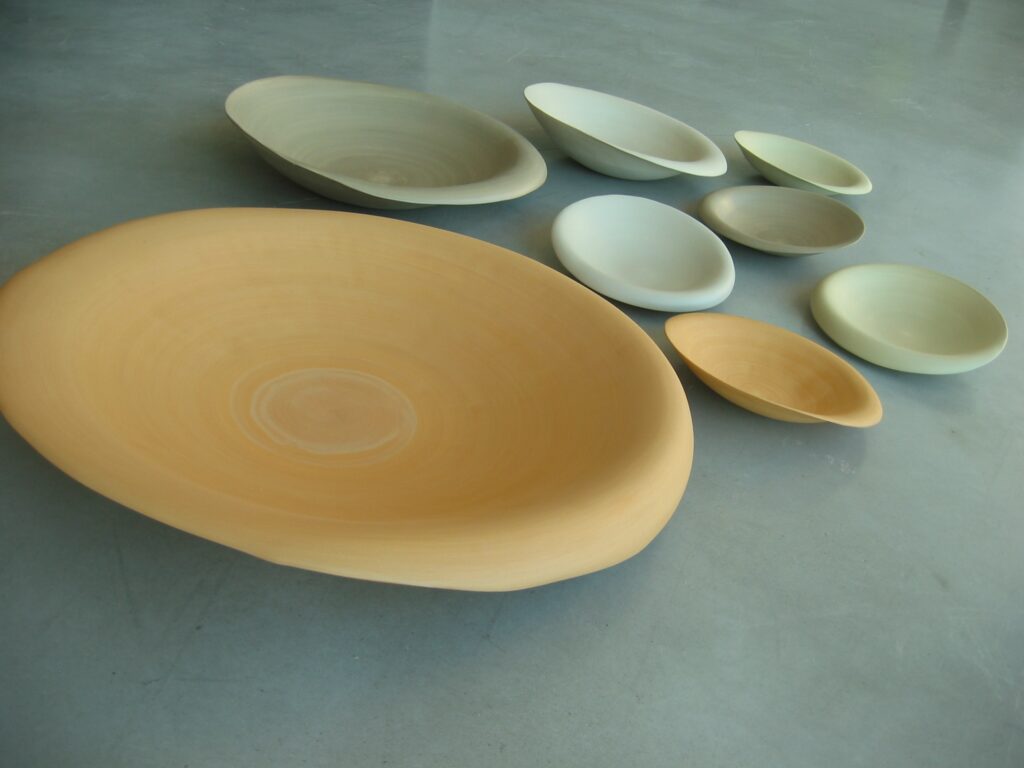
A Recognizable Design Identity
This brings me back to something I care deeply about: the coherence and recognizability of a designer’s signature. I believe these are among the clearest signs of design maturity and are central to building an identity that holds its value over time.
A product’s public image and commercial success depend on the values it can express. That applies equally to a mass-produced object and to a limited-edition piece that bears the imprint of its designer. Those values inevitably reflect the designer’s training, culture and sensibility.
Ultimately, I think what distinguishes industrial design from designing for craft production is how the designer relates to the project, how it’s made, and who it’s intended for. The number of objects produced tells only part of that story.
I’ve always been fascinated by the idea that a small fragment of our sensibility, of the way we see the world, of our very soul, finds its way into the objects we design.
And that someone might recognize and appreciate that fragment, choose to bring the object into their life and, by living with it day after day, make it part of a home that feels distinctly their own.
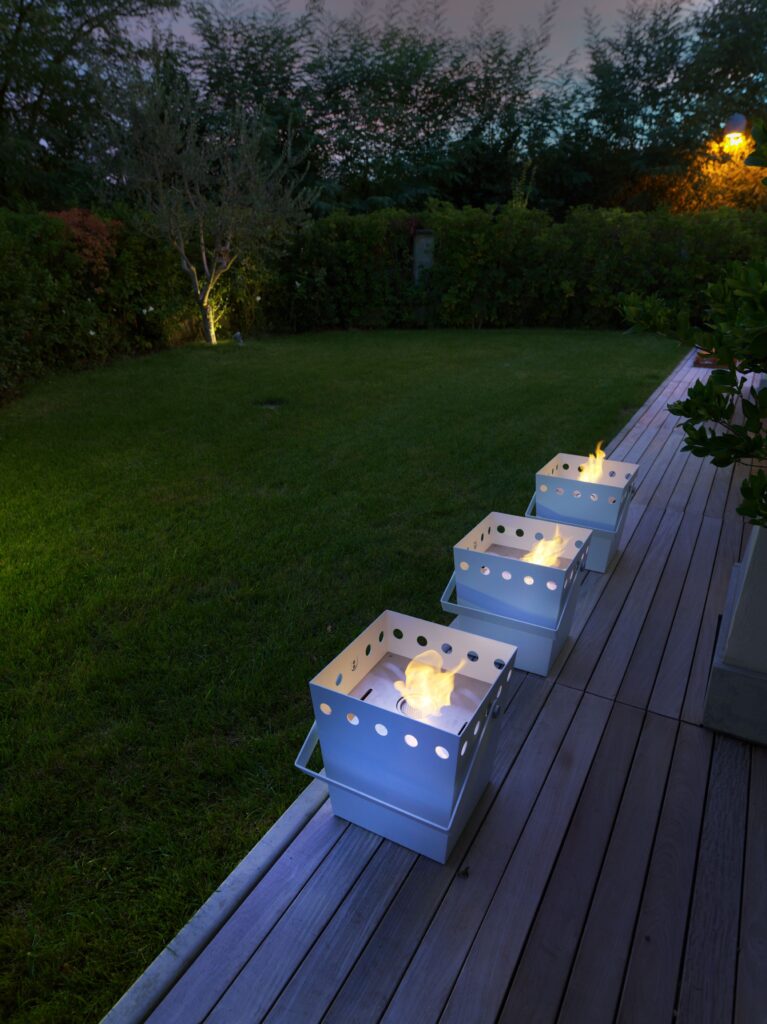
Go here to visit Giovanna Talocci’s website >
Read similar articles on hue&Eye Mag >
Subscribe to our newsletter to receive exclusive insights from our editors!

