

DLA Design Lab: Where Creative Visions Meet
What happens when architecture, art, craftsmanship, innovation, and tradition come together? At EDIT Napoli 2026, we met the creative minds behind DLA Design Lab, a multidisciplinary studio based between Genoa and Milan, to explore the ideas, influences, and unexpected connections shaping their distinctive design language.
From Genoa’s maritime heritage to the creative freedom of cross-disciplinary collaborations, our conversation with Max Dalle Sasse revealed a design philosophy rooted in experimentation, authenticity, and the power of collective thinking.
Here’s a closer look at the stories behind their work.
And keep an eye on our Instagram — our video interview with DLA Design Lab from EDIT Napoli is coming soon.
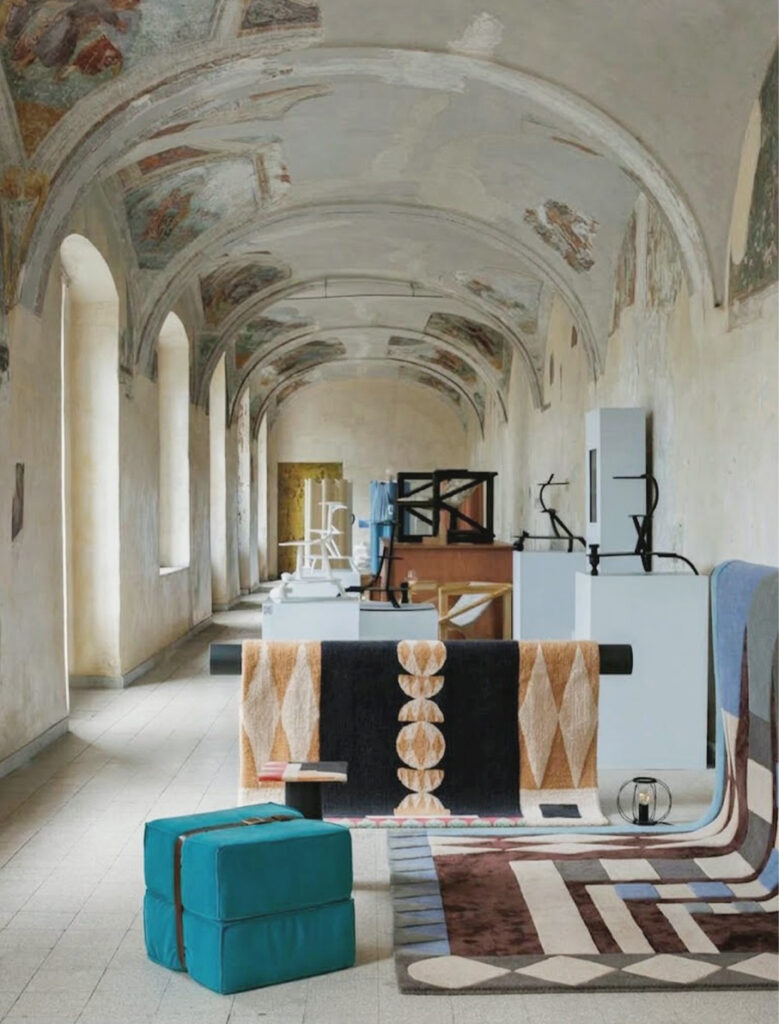
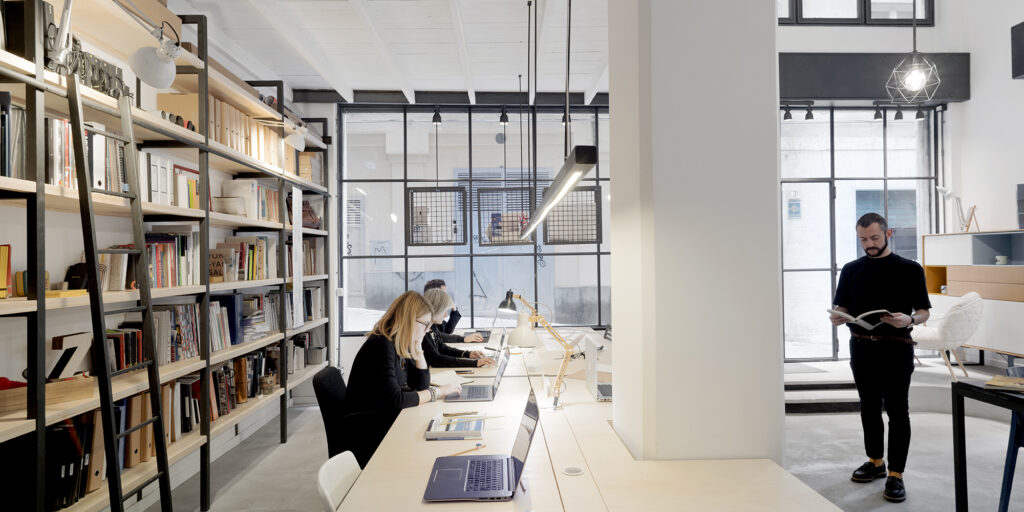
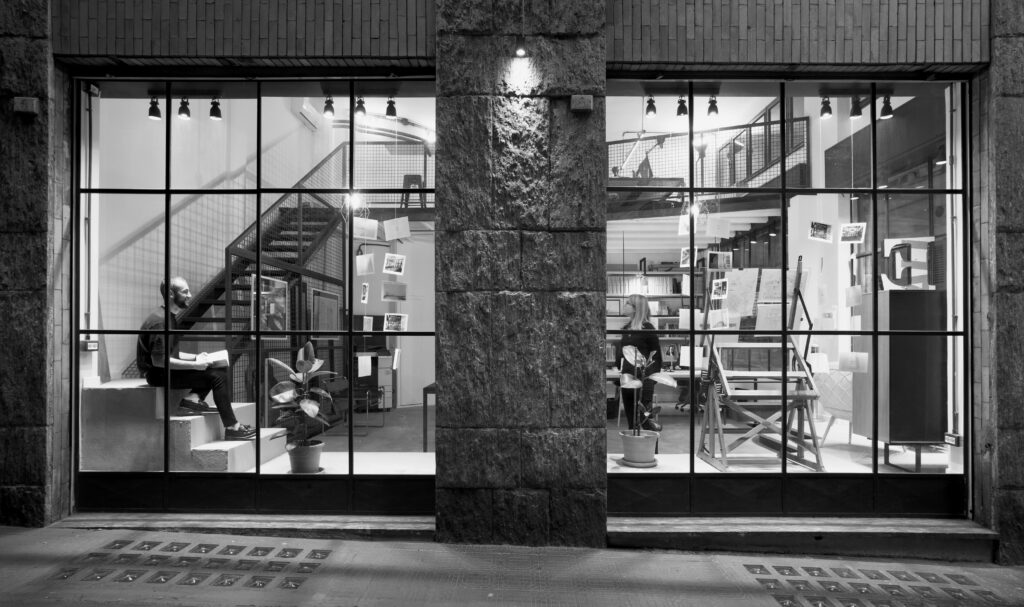
Hello Max and Vittorio! DLA Design Lab brings together architects and designers based between Genoa and Milan, creating a multidisciplinary environment that embraces diverse perspectives and creative visions. While Max Dalle Sasse plays a leading role in the studio, your collaborative approach seems rooted in dialogue and a shared creative process.
How do you balance a distinctive design identity with individual creative freedom? Does the creative direction shift depending on the project? And how does this collective approach contribute to shaping DLA’s design language?
The term Lab in our name states an intent: an open laboratory for experimentation rather than a hierarchical structure.
My role (Max Dalle Sasse) is not to impose a uniform aesthetic. It is to catalyze design processes that often emerge spontaneously.
DLA’s identity lies in the depth of its storytelling, attention to construction details, and material authenticity.
Our creative direction remains fluid, responding to each project’s nature. Whether we are working on a hospitality interior, a collectible design piece, or a textile product, we let the team member whose sensibility best aligns with the project guide the process.
This tension between methodological rigor and individual freedom defines our design language.
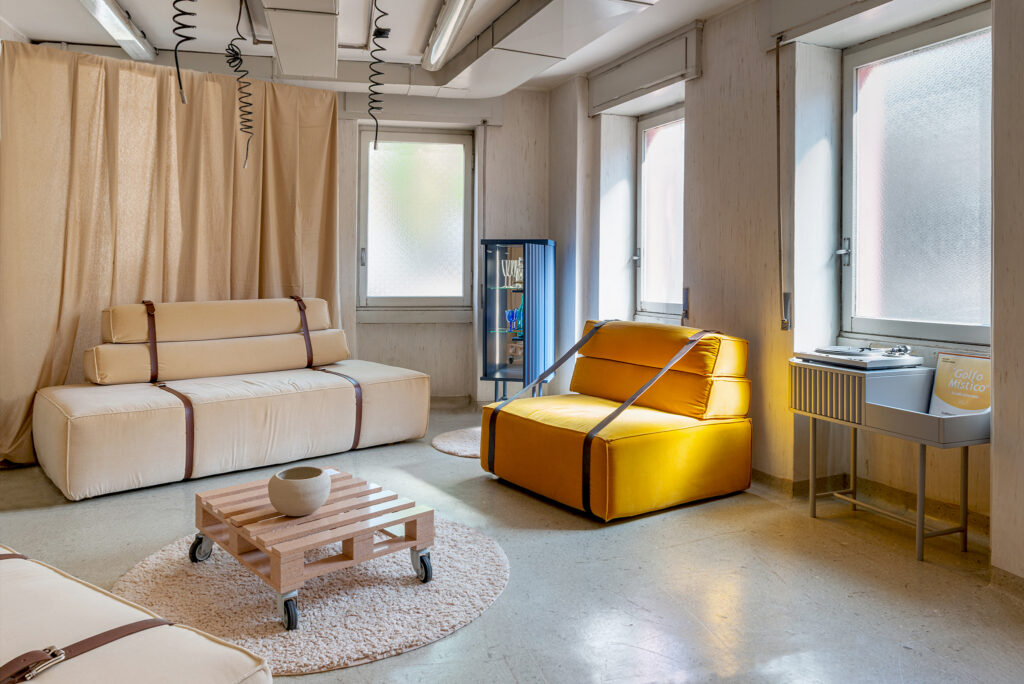
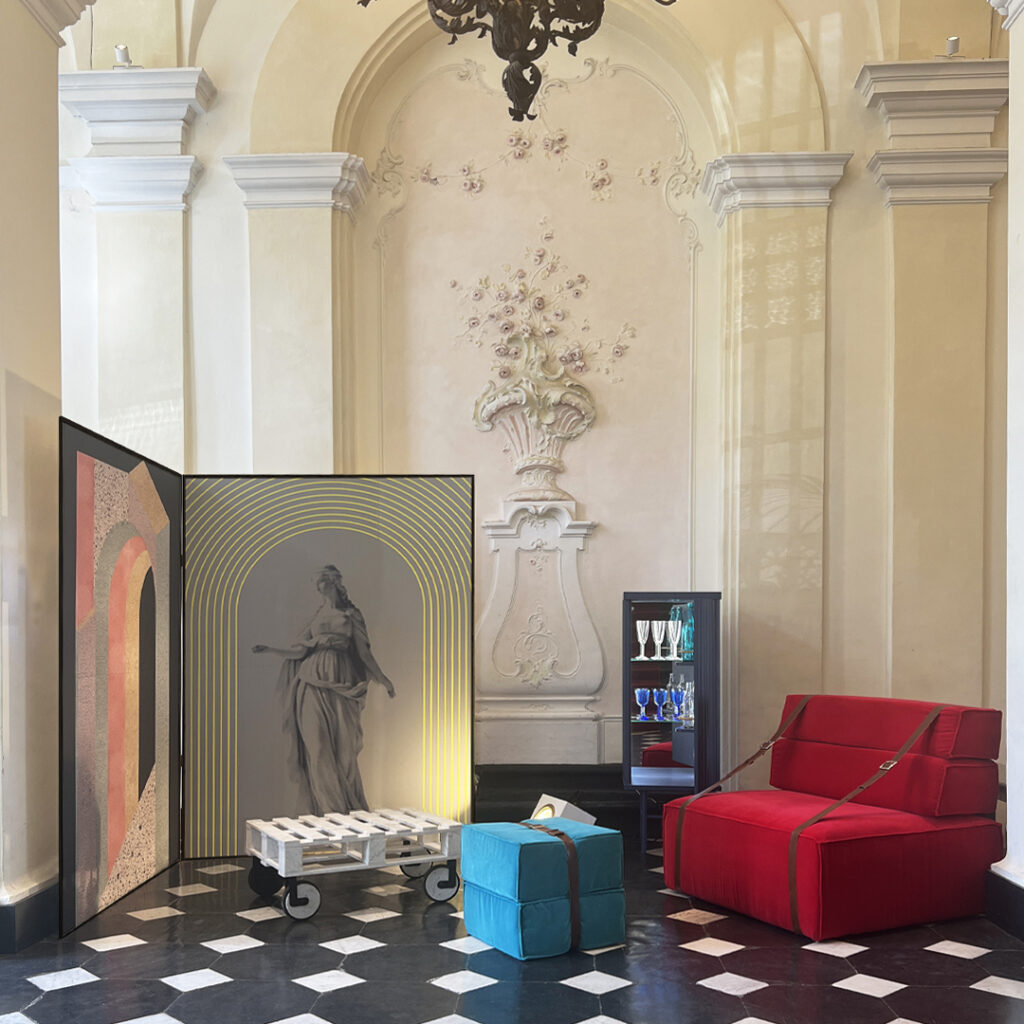
At EDIT Napoli 2026, DLA Design Lab presented a collaboration with artist Vittorio Rossi. This brought together different creative sensibilities in a dialogue that reaches beyond the traditional boundaries of design.
Such cross-disciplinary encounters often open up new possibilities for expression. They challenge established methods, and require a willingness to relinquish some control over the creative process.
Has collaboration always been at the heart of DLA’s design philosophy? How do you strike a balance between individual and collective visions when working with artists such as Vittorio Rossi? Do you believe the most compelling results emerge from dialogue — and sometimes even friction — between different disciplines and perspectives?
Collaboration has been part of our DNA from the very beginning, but over time it has become an increasingly radical choice.
Working at the intersection of architecture, collectible design, and fine craftsmanship, engaging in dialogue with art was a natural progression.
Our relationship with Vittorio Rossi began several years ago, long before we presented our work together at EDIT Napoli 2026. It grew out of a shared desire to challenge our own design certainties.
Engaging with other artists and designers requires us to step away from the obsession with total control and pure functionality. It makes room for the unexpected and the poetic gesture.
Balance does not come from meeting halfway through compromise. Instead, it emerges within an open territory where each participant is free to bring their own radical perspective.
The most authentic results always arise from creative friction. When different disciplines collide over their interpretations of materials and space, familiar patterns are disrupted, giving rise to something entirely new.
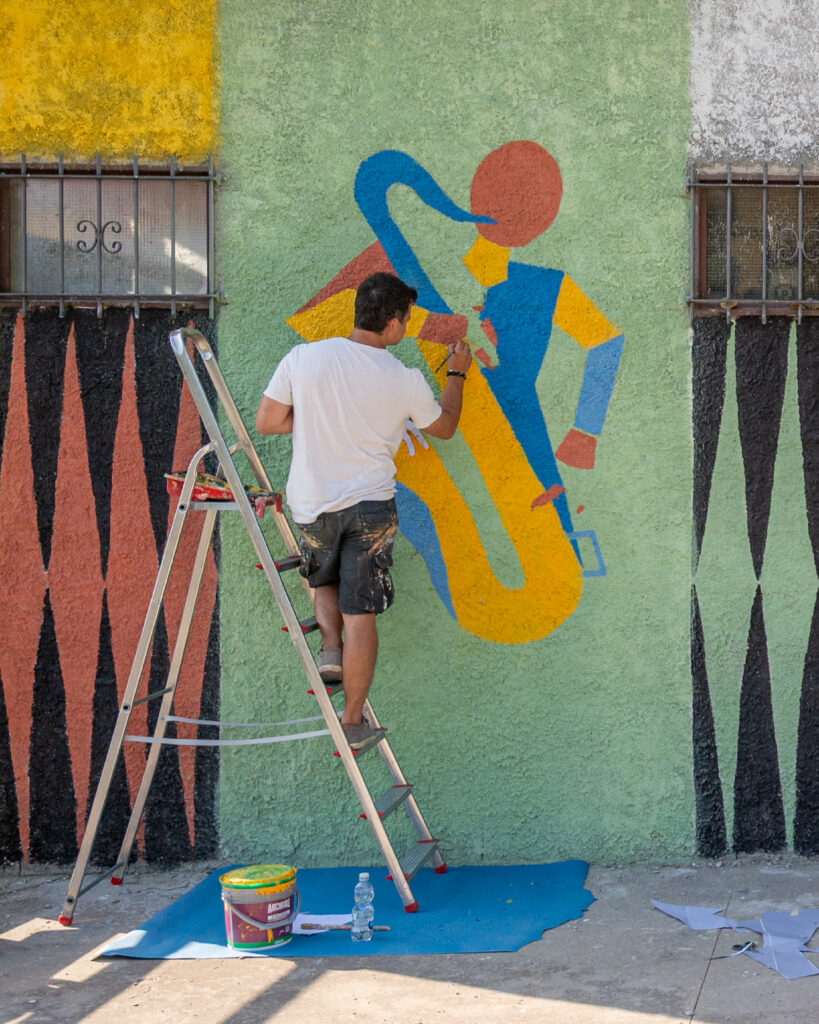
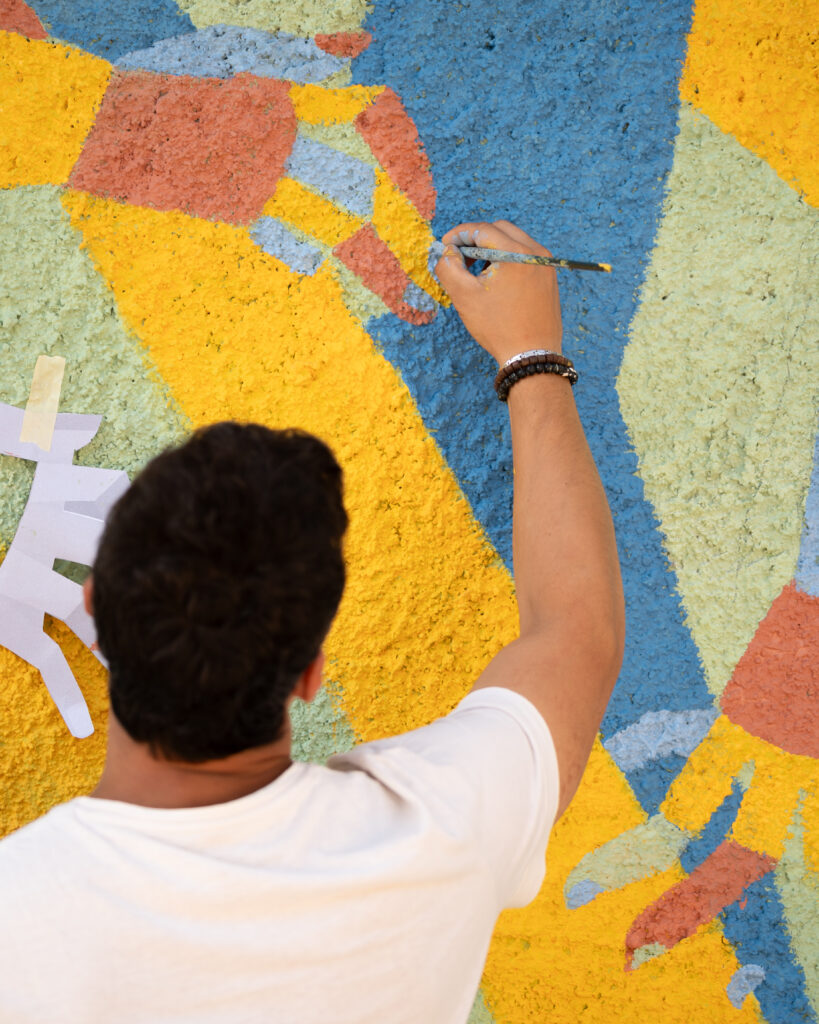
Genoa is a city of contrasts and cultural intersections. It is also the birthplace of Renzo Piano, one of the most influential figures in contemporary architecture.
How has Genoa’s maritime and cosmopolitan identity influenced your creative language? Do the city’s architectural heritage and Renzo Piano’s design legacy serve as sources of inspiration, or do they encourage you to explore entirely new directions?
Our furniture and decorative objects originate from concepts deeply connected to the local territory, evoking the symbols and identity of a port city.
Smooth, undulating surfaces; hard and soft textures; natural materials; and forms inspired by historic architecture evoke both the grandeur and tranquillity of a landscape shaped by nature and human intervention.
This contrast between the industrial and the historical, between shipping containers and the Palazzi dei Rolli, has profoundly influenced our aesthetic vocabulary and our exploration of materials.
Within this context, Renzo Piano represents an essential point of reference.
His work offers lessons we cannot help but absorb. From his understanding of beauty to his vision of technological humanism, which combines respect for artisanal craftsmanship with an international outlook.
His legacy encourages us to remain firmly rooted in Genoa’s harbor while keeping our eyes on the wider world.
Genoa holds a special place in the Italian singer-songwriter tradition, where music can transform everyday stories into poetry and help shape a distinctive, deeply rooted cultural identity.
How does this musical heritage influence your approach to design? Has music ever inspired your creative process, even unconsciously? And if you could dedicate one of your projects to an Italian singer-songwriter, who would you choose, and why?
The great singer-songwriters of Liguria have captured the sea, departures, and the complexities of human existence. Their understated yet powerful words transformed everyday details into poetry without ever falling into rhetoric. Each creation tells a story intertwined with Genoa’s history.
Our objects become storytellers of an almost mystical journey through centuries of navigation, trade, and cultural exchange.
They pay tribute to the Port of Genoa, a gateway to the sea that welcomes travelers and serves as a crossroads of intertwined histories and cultures.
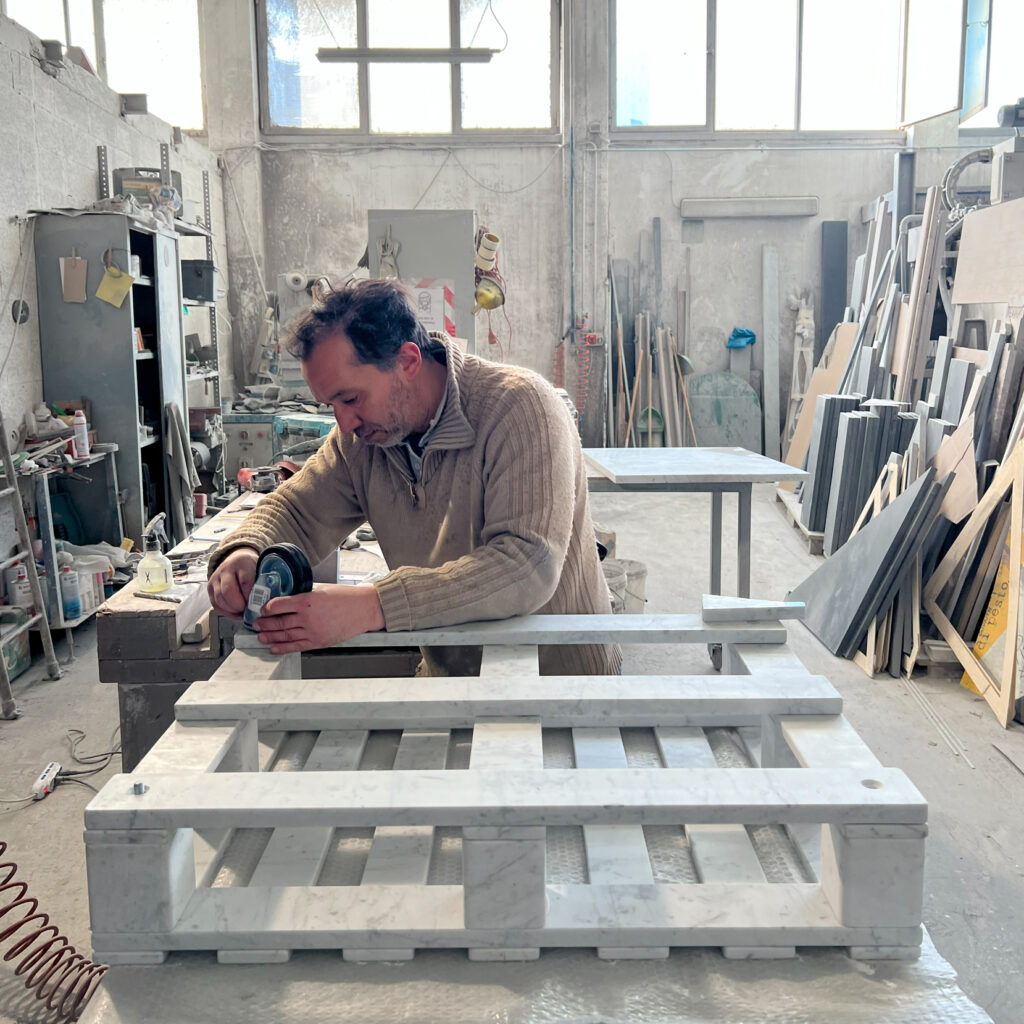
Each piece is also a tribute to the skilled hands of Ligurian artisans, whose meticulous craftsmanship brings to life objects that tell the story of the sea and the city.
Every creation is unique and unrepeatable, inspired by the landscape of the Gulf of Genoa, the beauty of its colors, the rhythm of its waves, and the enduring presence of its harbor.
Music constantly sets the rhythm of our studio.
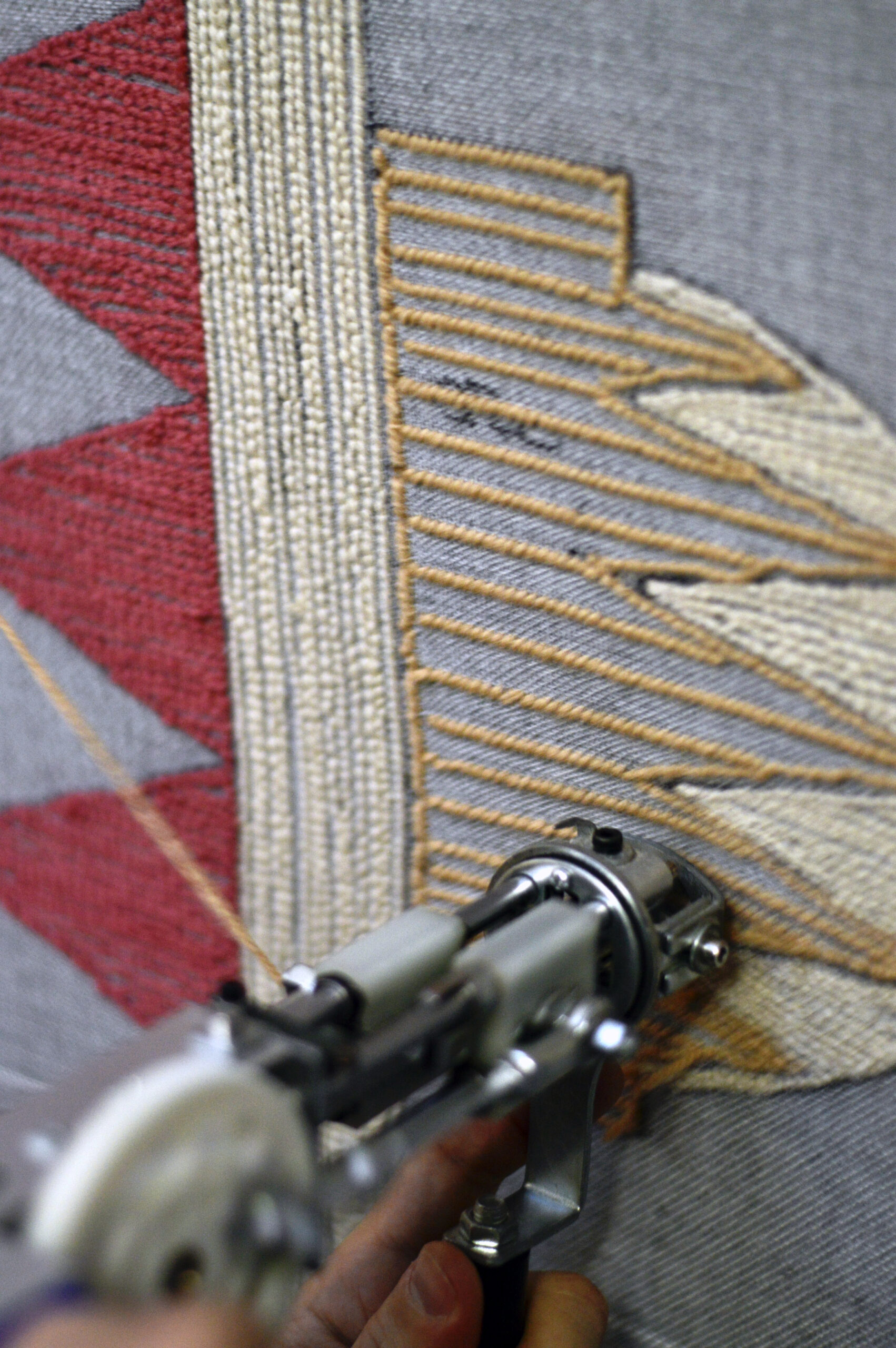
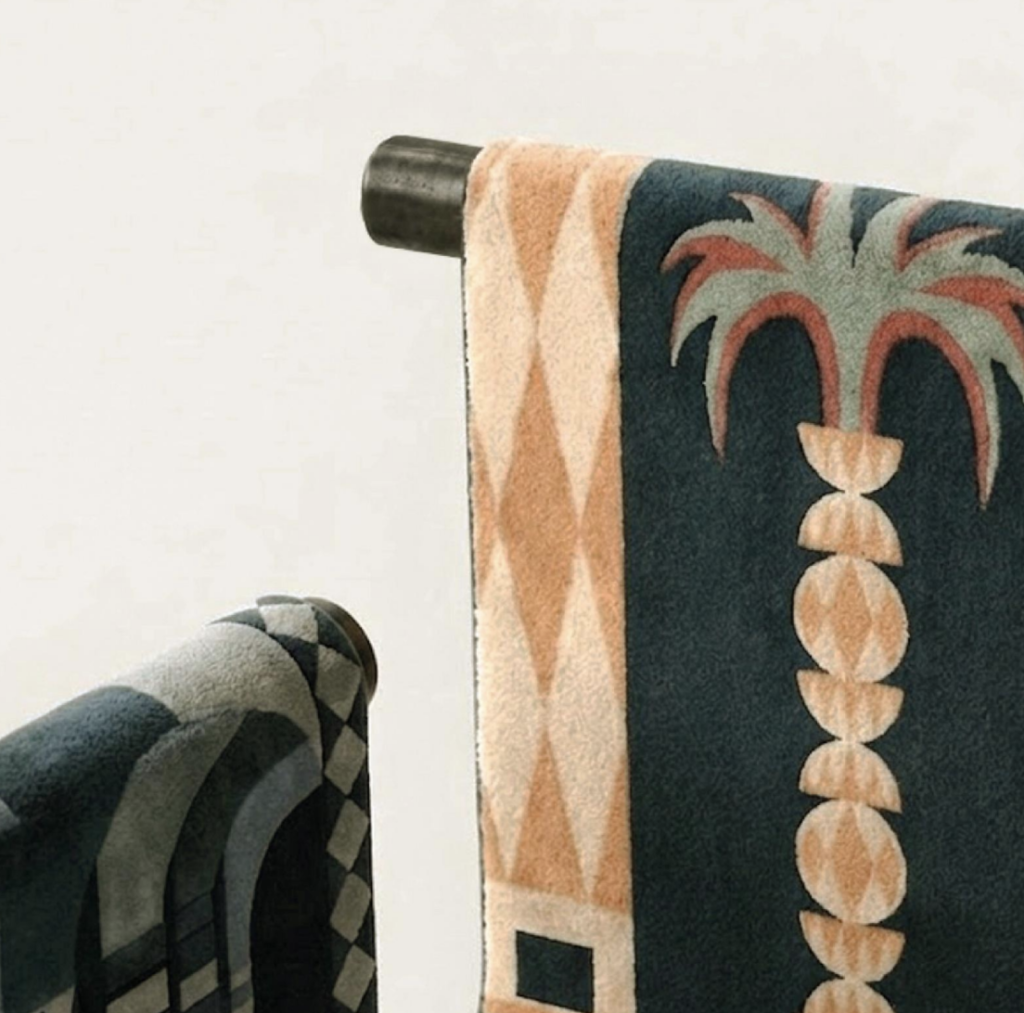
If I were to dedicate a project to a singer-songwriter from the past, I would choose Fabrizio De André. I’d connect his legacy to our exploration of Confine through hand-tufted rugs, or to our Docker collection.
De André was the poet of thresholds, harbors, and cultural intersections. Dedicating a piece to him would be our way of translating that same sense of humanity into material form.
If I were to choose a contemporary singer-songwriter, it would be Bresh. His visual and poetic universe is steeped in sea salt, rocky coastlines, small harbors, and everyday life in Liguria’s coastal towns.
Something in his descriptive sensibility recalls the great singer-songwriters of the past, whose music was so deeply connected to Genoa’s narrow streets and its relationship with the sea.
Go here to visit DLA Design Lab’s website >
Read similar articles on Hue&Eye Mag>

