

Craft, Colour, and Contemporary Design Across Lisbon
Visiting a design fair is one of the most rewarding parts of what we do at Hue & Eye. There is a particular joy in meeting creative voices in person, exchanging stories beyond the screen, and discovering the artists and designers who may soon shape the pages of the magazine.
But more than anything, it is the energy of a city activated by art and design that makes these moments memorable.
Lisbon is one of those places where this energy feels natural. During Lisbon Design Week 2026, the city became a moving map of contemporary craft, collectible design, textile art, ceramics, architecture, color, and independent visual culture. The fourth edition of Lisbon Design Week took place from May 27 to May 31, 2026, with a program dedicated to artistic and collectible contemporary design, high craft, and creative practice across the city.
For Hue & Eye, the goal was not simply to see as much as possible. We wanted to follow a precise editorial instinct: craftsmanship with a playful twist, a clear message for the art world, and a dialogue between tradition and innovation. We were looking for works where past and future did not cancel each other out, but merged into a visual language capable of filling a room.
With this in mind, we shaped our route.
First Stop: Quiet Objects at The Vintage Hotel
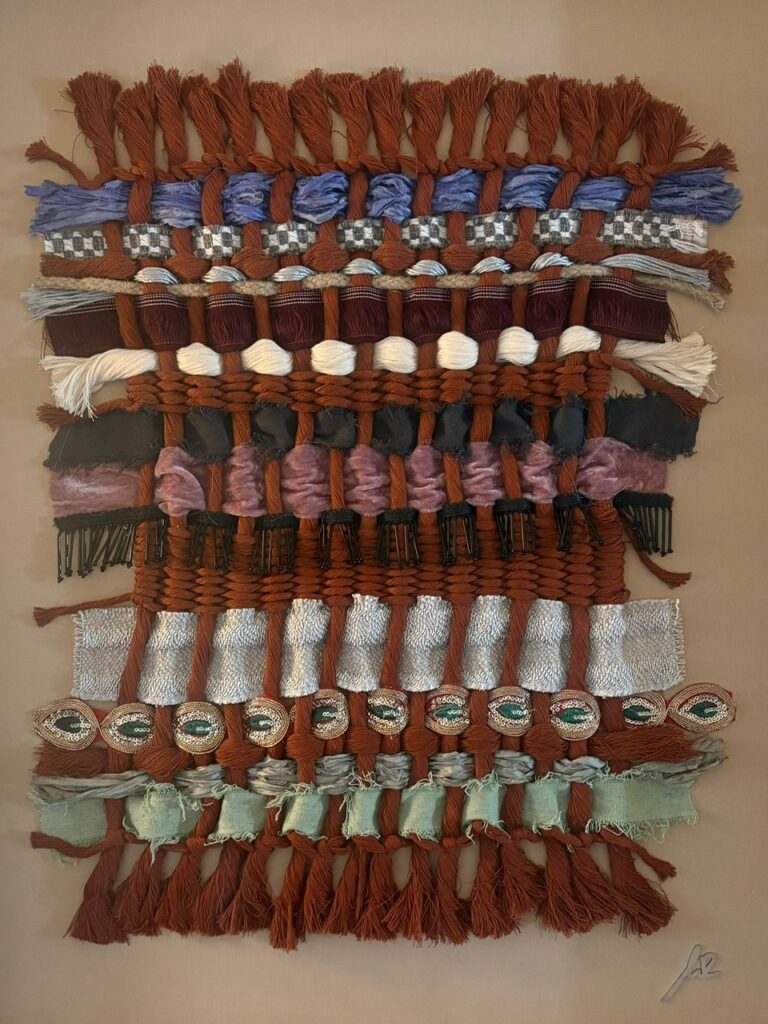
Our day began at The Vintage Hotel, one of those Lisbon spaces that naturally lends itself to contemporary design. Elegant, intimate, and carefully composed, it offered the right atmosphere for Quiet Objects, a contemporary textile art exhibition presented by The Curated Lisbon in collaboration with The Vintage Hotel for Lisbon Design Week 2026. The exhibition opened on May 27 and remains on view until August 31, 2026.
The result was quiet only in name. The works asked for attention slowly, through texture, rhythm, and material presence.
We had previously contacted Mariana Ralo, the textile artist whose work we were especially eager to see in person. Speaking with her just after she presented her pieces to the public changed the way we understood them.
At first, because many of her works respond to specific interiors or clients, we imagined her practice might be guided primarily by external requests. The opposite became clear. Mariana’s identity, instinct, and inner visual world lead every piece she creates.
A traveller and former engineer, she searches for shapes and forms that can communicate as clearly as possible. There is logic in her process, but also softness. Her work carries a rational structure, yet her hands seem to respond to texture with emotional immediacy.
Her tapestries and textile pieces feel spontaneous, shaped by the experience she is living at that precise moment. She may choose the destination, but the artistic impulse completes the journey.
An artist, in the fullest sense.
Maria Pratas and Sofia Albuquerque: The Birth of Saloias
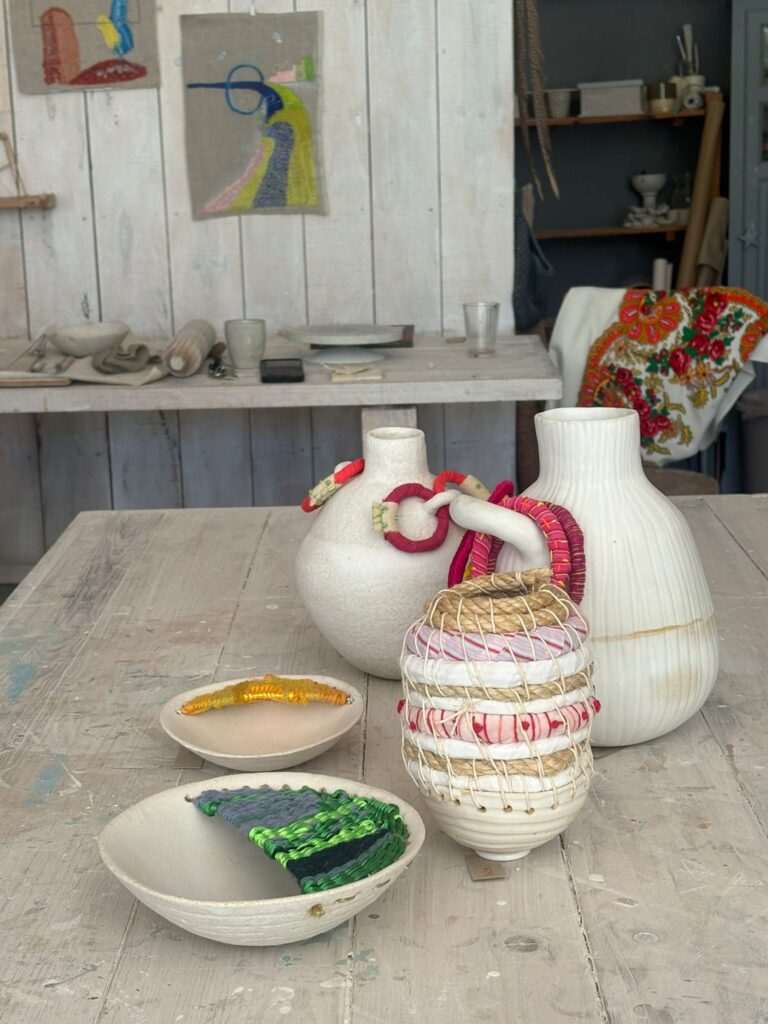
Our second stop brought us to Maria Pratas and Sofia Albuquerque, whose collaboration opened a world of poetry, Portuguese heritage, colour, and feminine strength.
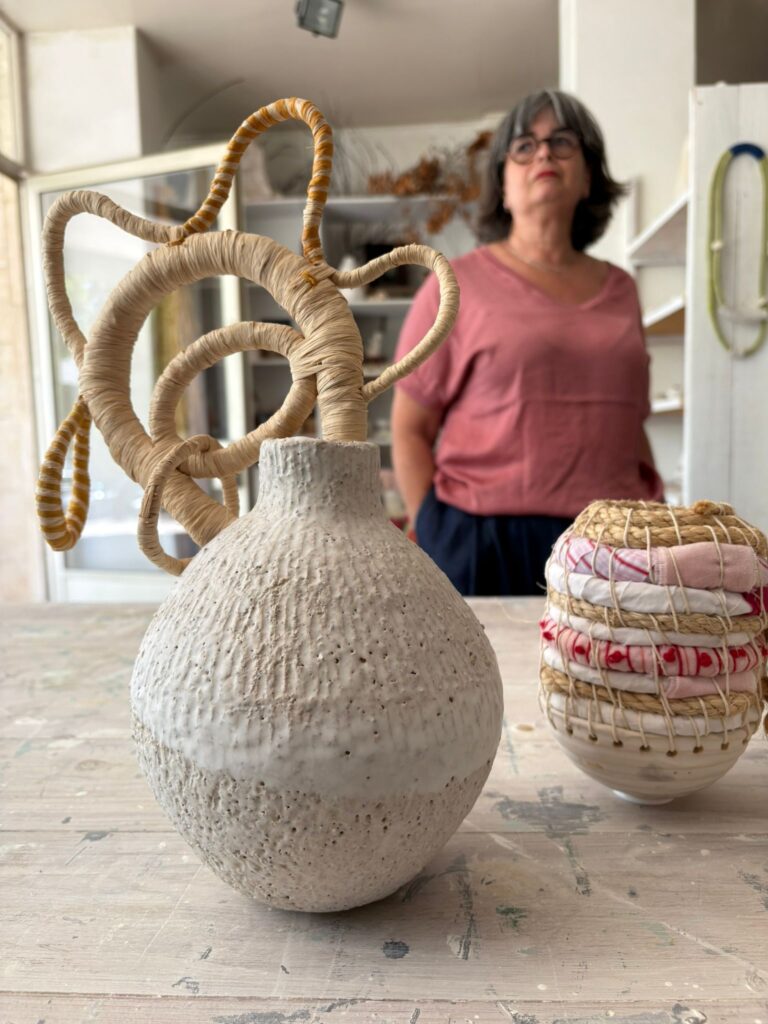
Maria, known for her fibre sculptures and textile workshops, was working from her home studio. Sofia, occupied with ceramic workshops and the creation of singular vases at Sal Atelier, was working nearby. Their encounter was recent, but something between their practices seemed to be waiting for the right moment to appear.
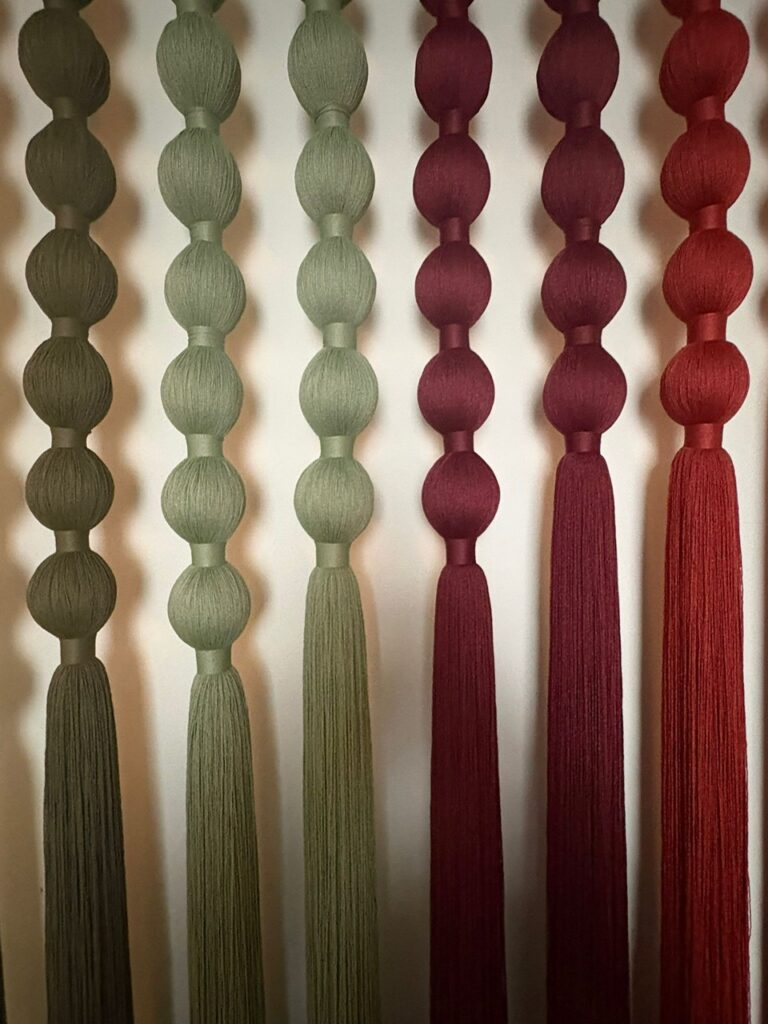
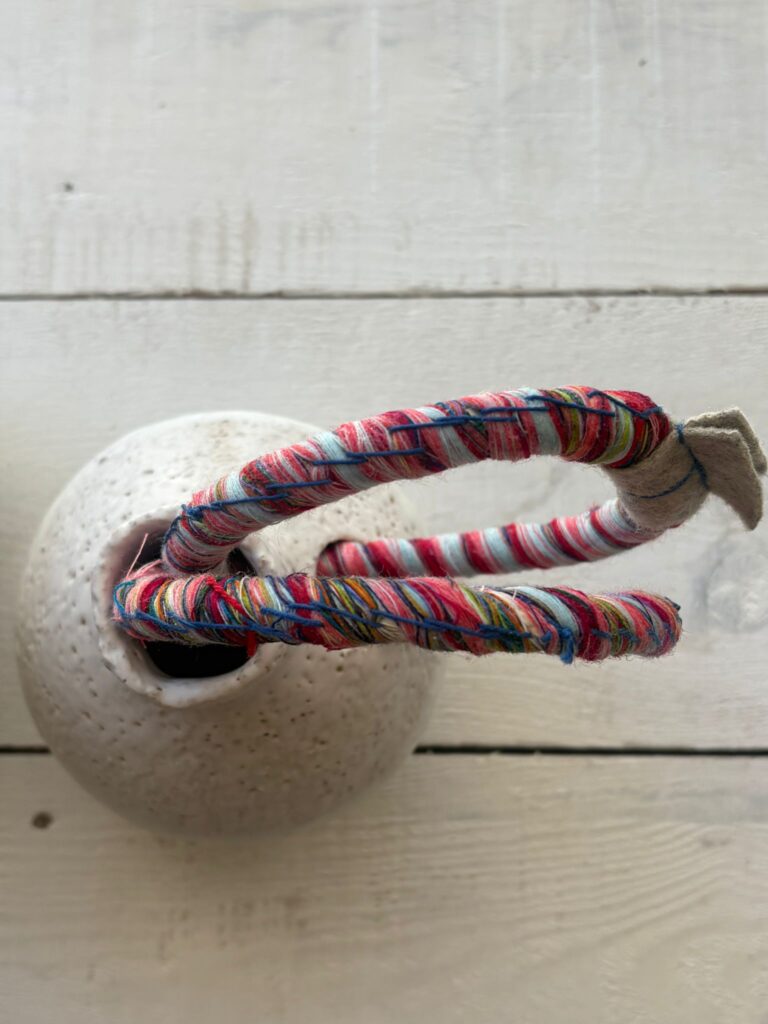
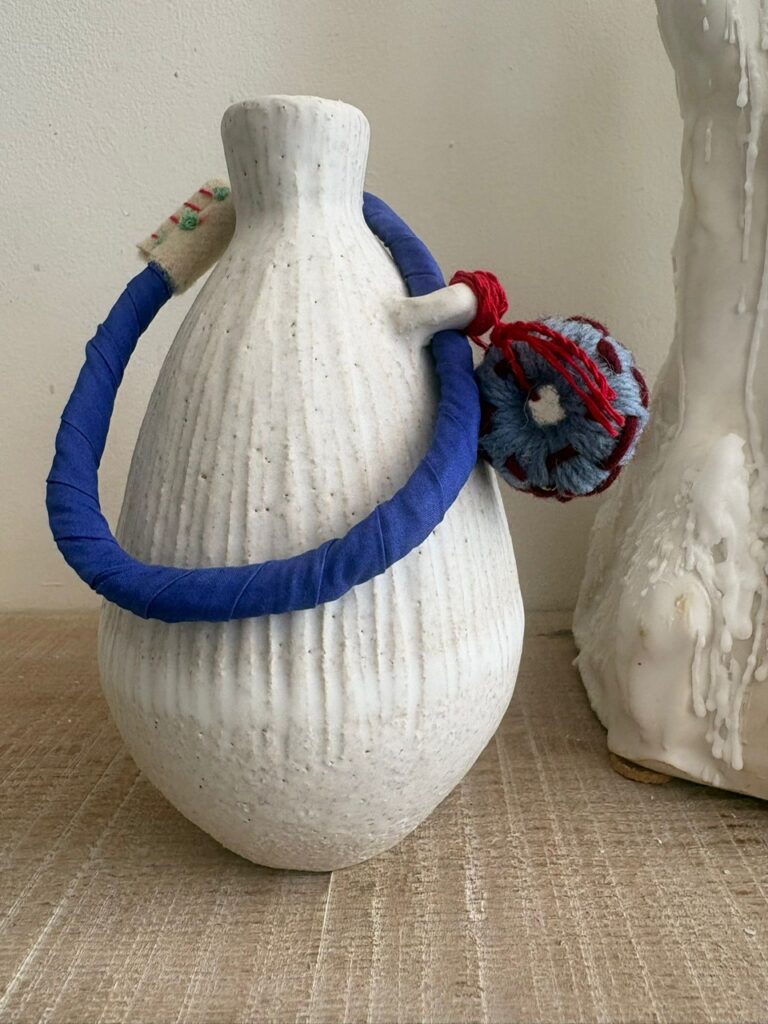
What emerged is Saloias: not simply a meeting between fibre and clay, but the birth of a shared language.
Maria’s textile forms and Sofia’s ceramic bodies do not compete for attention. They complete one another. The softness of fibre meets the volume of clay. The handmade becomes architectural, domestic, symbolic, and emotional at once.
There was something especially generous in the way they spoke about the project. The conversation unfolded so naturally that at moments we forgot the camera was still recording.
These are the encounters that remind us why we chose this work in the first place: not only to document objects, but to witness the relationships, intuitions, and fragile beginnings behind them.
Lia Raquel Marques at Moldo Studios
From there, we moved to Moldo Studios, a multidisciplinary space with a theatrical charm. Usually operating as a gallery, concert hall, shop, yoga studio, ceramic residency, workshop space, and creative studio, Moldo became, during Lisbon Design Week 2026, the setting for Sotaque.
The Portuguese word sotaque means accent. The exhibition brought together Portuguese-speaking artists and designers from different cultural backgrounds, including Angola, Brazil, Mozambique, Cape Verde, São Tomé and Príncipe, Guinea-Bissau, and Macau. The project opened during Lisbon Design Week 2026 at Moldo Studios and gathered designers working across basketry, ceramics, woodwork, embroidery, 3D printing, and upcycling.
We met Lia Raquel Marques, who welcomed us with warmth and guided us through the space. As we walked among works by Macheia, Adonis Evangelista, Bernardo Barros, Mariana Rola Pereira, Eneida Lombe Tavares, Thayra Correia, Le Brimet, Kelvin Silva, and Miguel Saboya, the exhibition began to feel like a conversation between language, migration, material memory, and cultural inheritance.
Then we stopped in front of Lia’s mirrors.
They were stunning: simple yet complex, precise yet humanly imperfect, new yet ancient. In these works, the past was not treated as decoration or nostalgia. It became a tool for shaping the future.
Lia’s latest work for Lisbon Design Week was one of the day’s strongest moments. We could not spend as much time with her as we would have liked, but we left Moldo Studios with the feeling one has after leaving a powerful documentary: moved, sharpened, and aware that an object can carry more history than it first reveals.
Alan Louis at Fantastic Frank
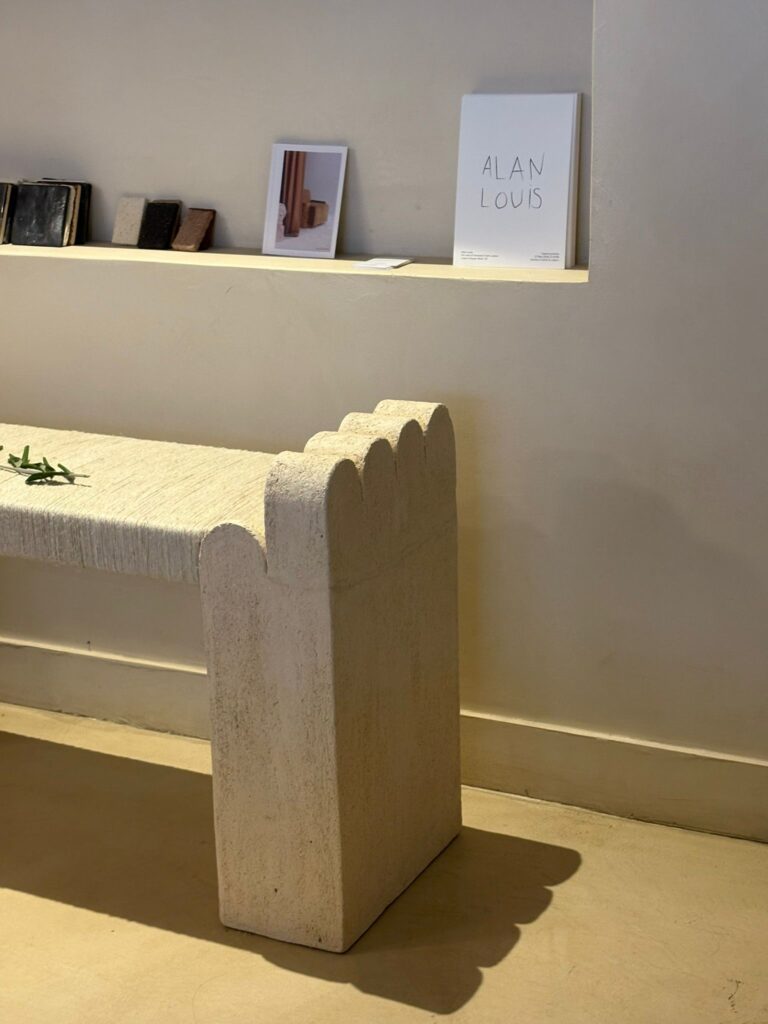
Our next destination took us toward the Santos/Lapa neighbourhood, where Fantastic Frank hosted a spotlight exhibition dedicated to Alan Louis.
The space was small, stylish, and already full when we arrived. People gathered both indoors and outside, and for a moment we thought we might have arrived too late to interview the artist without constant interruption.
Then we entered and immediately sensed Alan’s world.
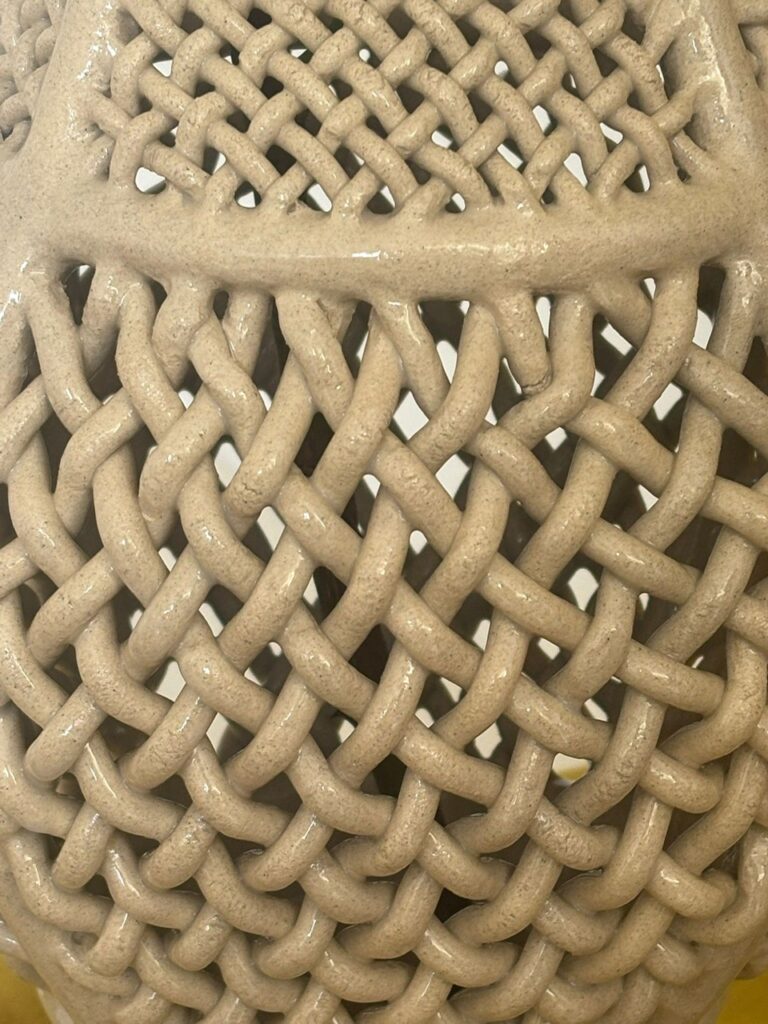
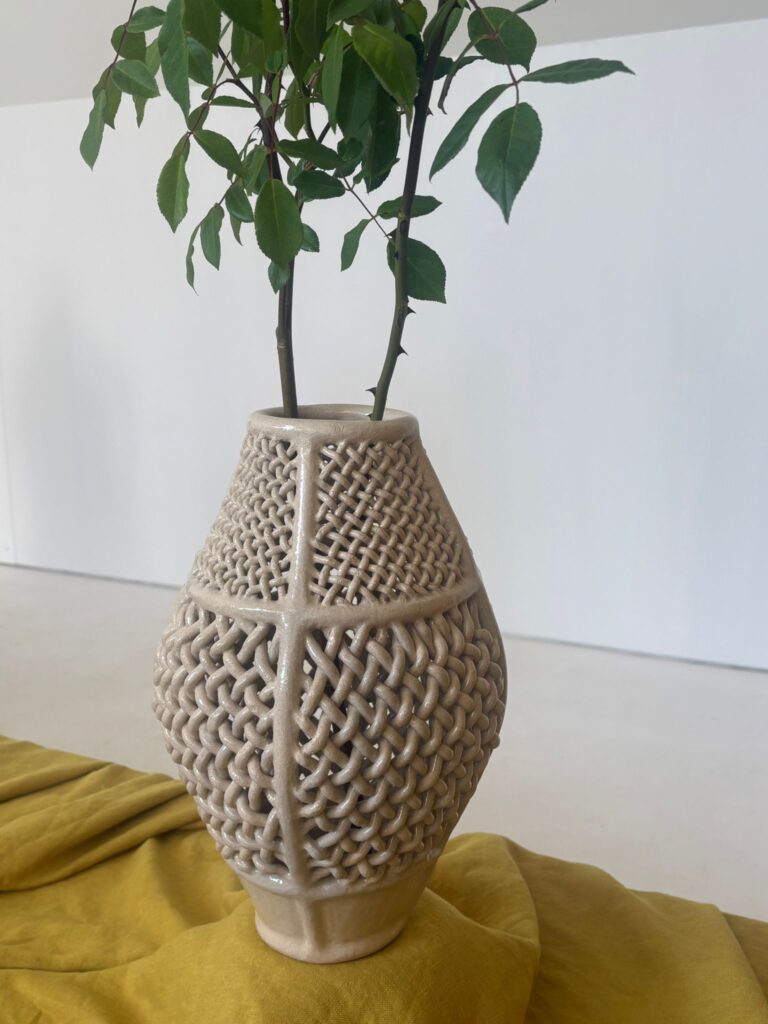
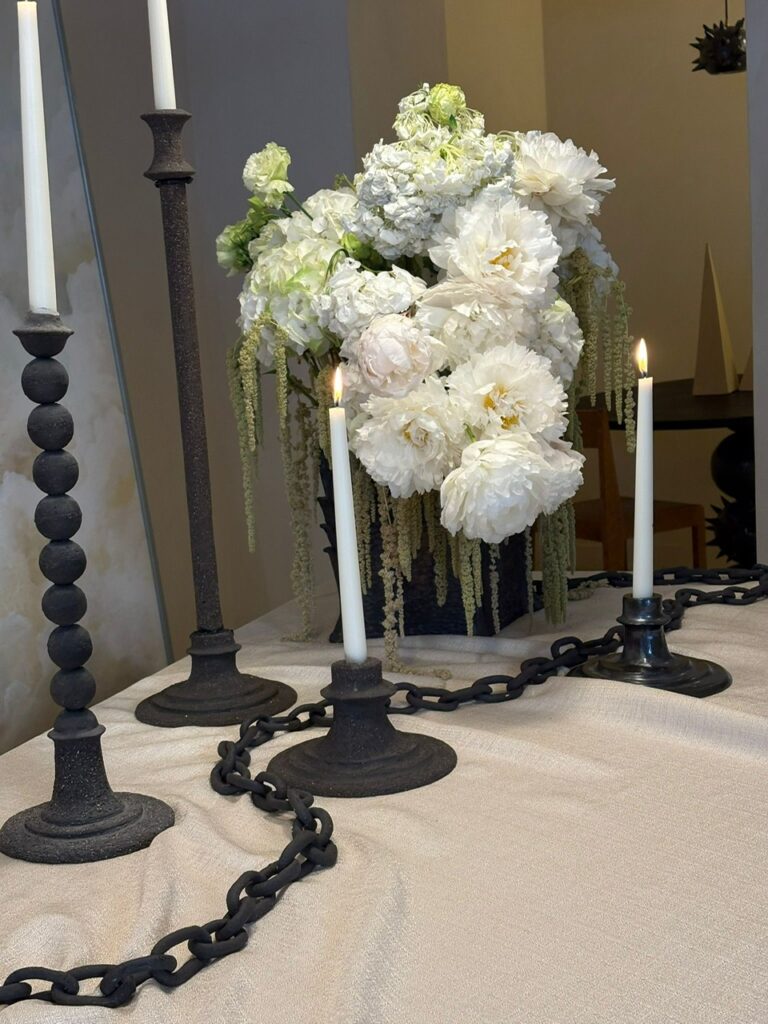
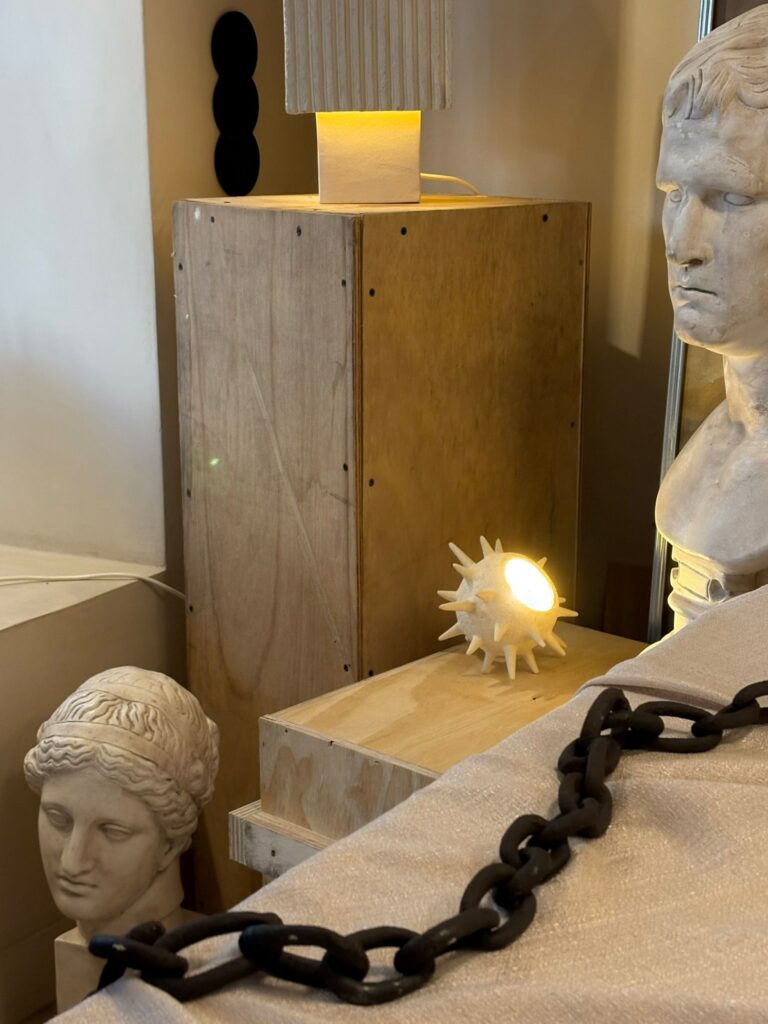
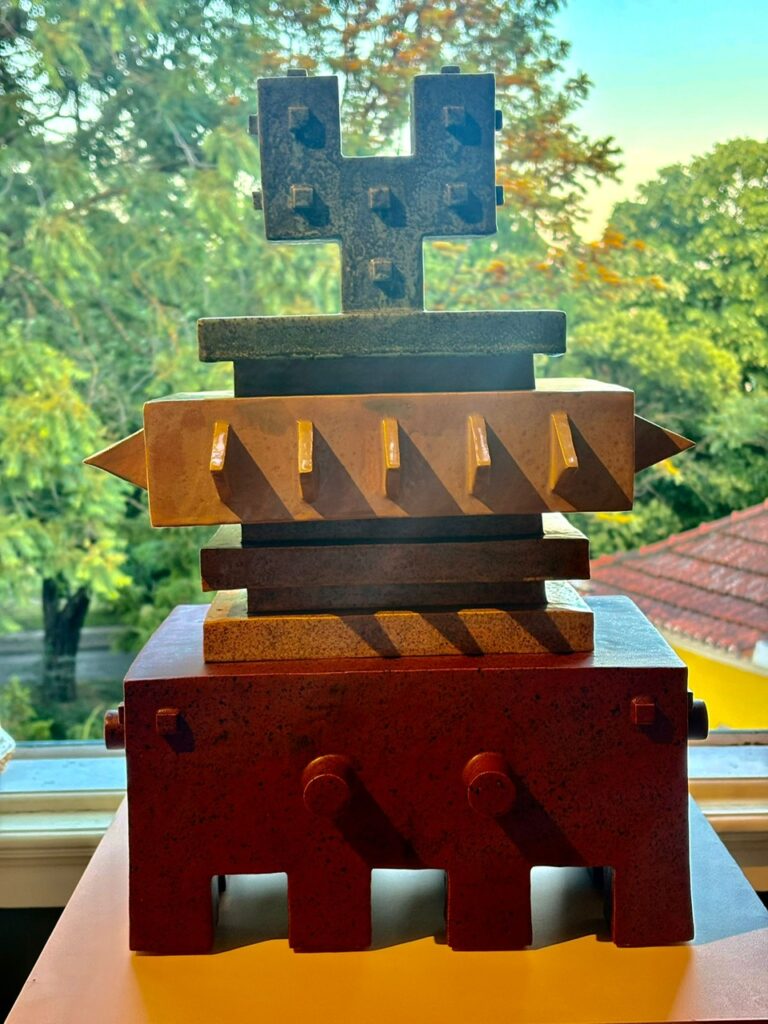
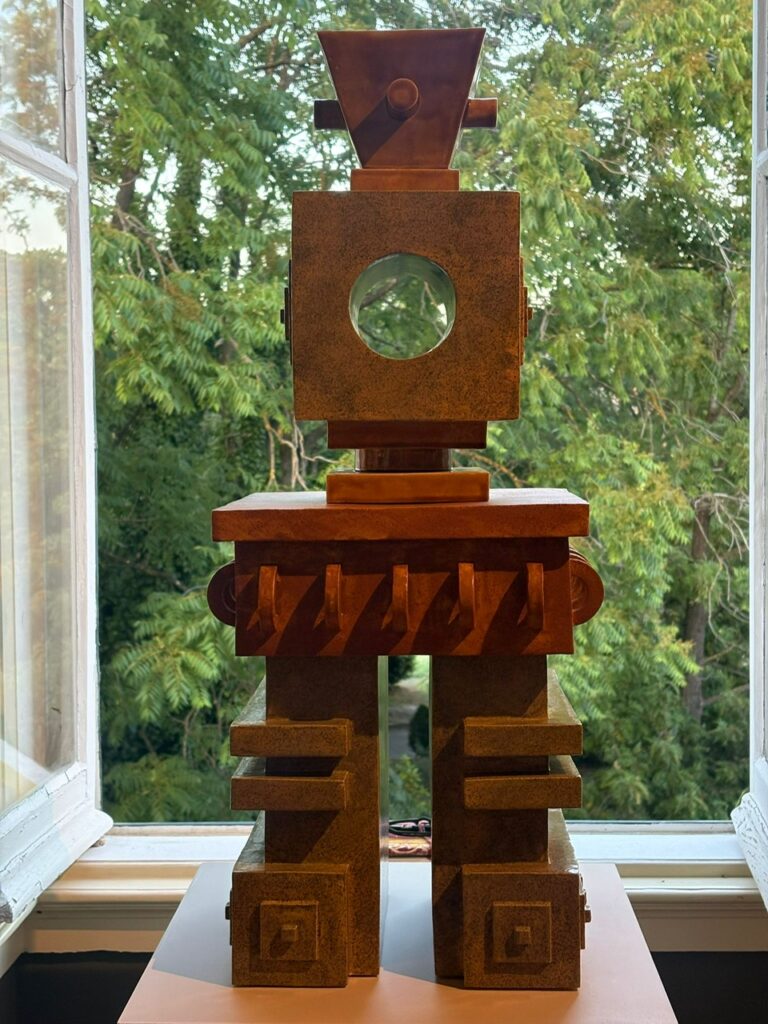
Materials, colors, sculptural refinement, and emotional depth came together with remarkable control. His work has a quiet intensity: forms that appear composed, but never cold; objects that feel grounded, yet charged with atmosphere.
Despite the crowd and the attention around him, Alan was open, generous, and present. We spoke about his life, practice, materials, and the inner logic of his work. By the time we left, we felt we had enough material not only for a short interview, but for a small book.
Some designers speak through explanation. Alan Louis speaks through matter first, and then through the stories that matter allows him to tell.
Lisbon by Design at Palacete Gomes Freire
Our day ended at Lisbon by Design, held at Palacete Gomes Freire. Lisbon by Design returned for its sixth edition from May 26 to May 31, 2026, presenting high-end Portuguese design furniture and contemporary craft in one of the city’s most atmospheric historic settings.
The building alone is worth the visit. A noble private home dating back to 1878, Palacete Gomes Freire contains more than ten rooms, a wide patio, and a sweeping double-curved wooden staircase that greets visitors at the entrance.
For the occasion, the house became a vessel for design.
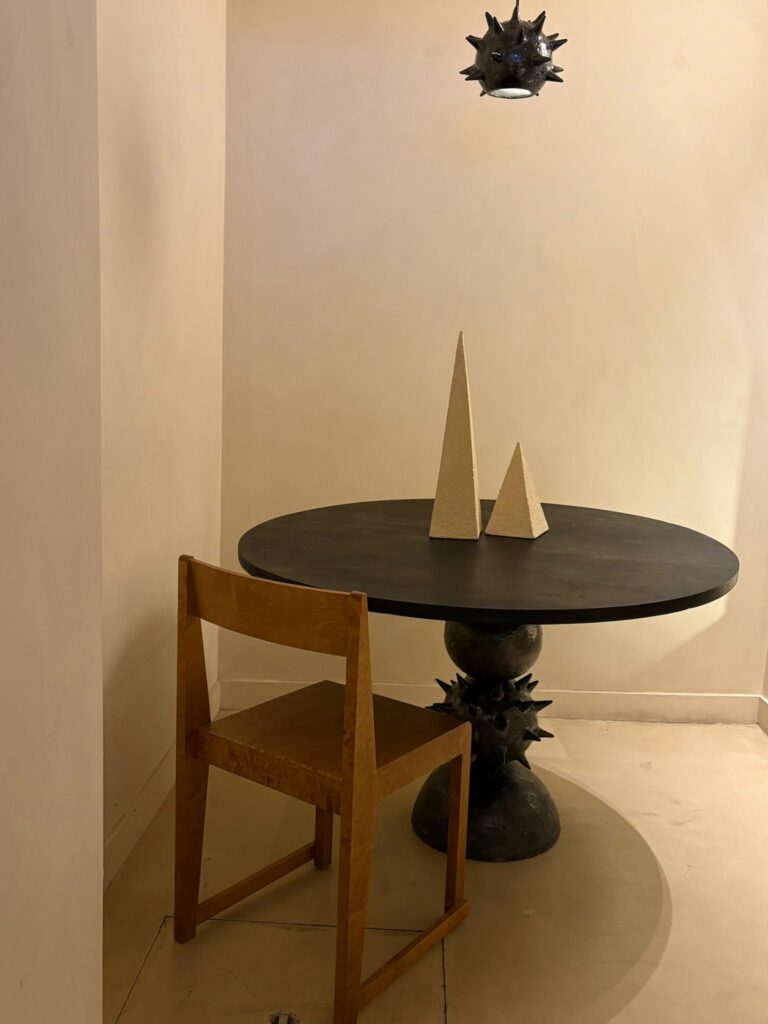
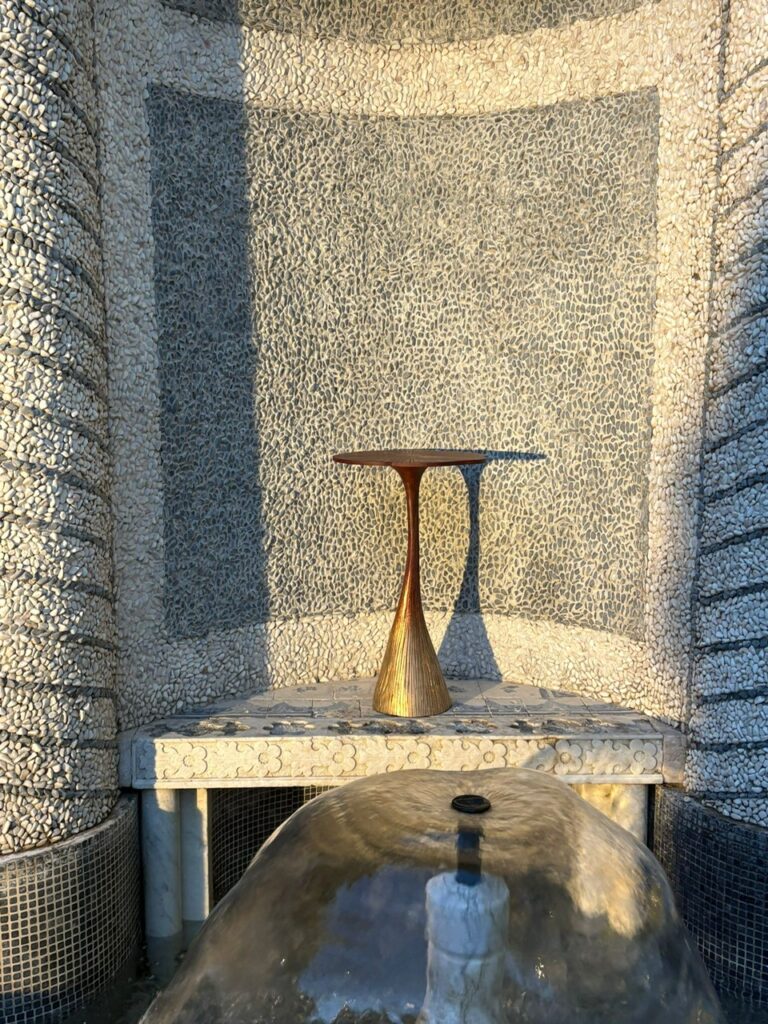
Each room offered a new encounter. Furniture, ceramics, lighting, textiles, and sculptural objects were not displayed as isolated pieces, but placed into dialogue with architecture, memory, and domestic scale. The curatorial approach was essential: it created a harmonious path through material culture, contemporary investigation, and the emotional presence of objects.
We were fortunate to meet Grau Ceramics, whose collection ARCANO explored forms inspired by the monumentality of ancestral architecture, especially Mexican architecture. The pieces carried strength, ritual, and a spiritual gravity that felt especially powerful in a time when much contemporary living can appear overly polished and self-centred.
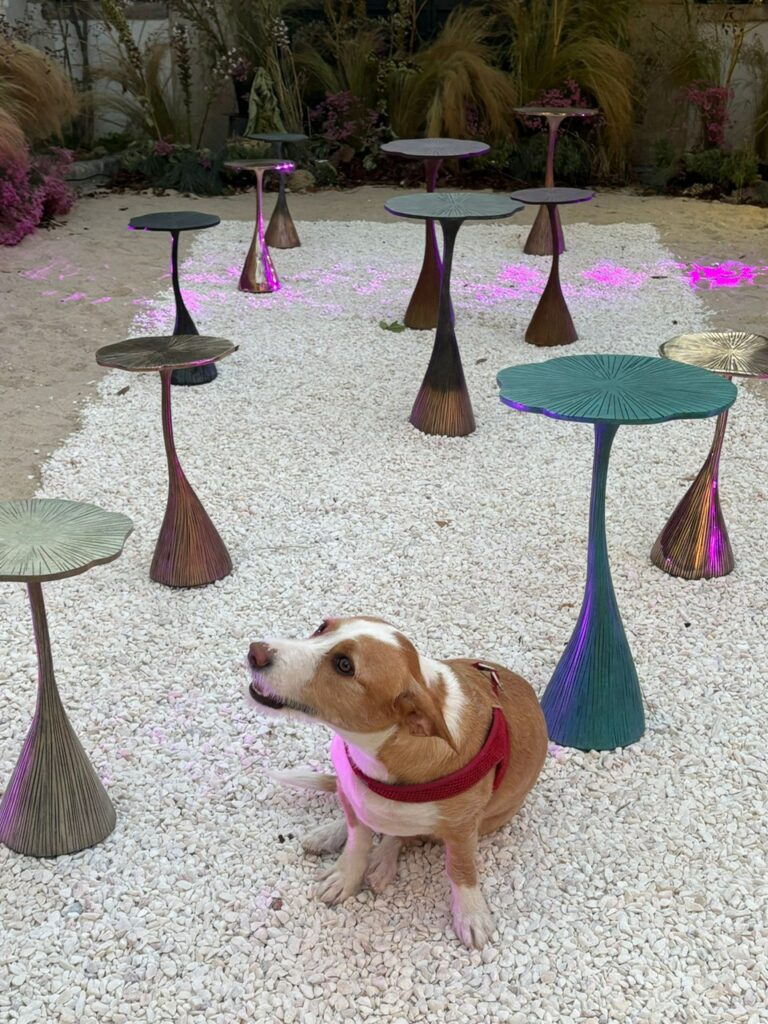
Another surprise was Hamrei’s exclusive collection of Fun Guy tables. Outside in the patio, next to his barking and very sweet dog, the atmosphere suddenly shifted into something almost forest-like. The tables resemble playful clusters of colourful mushrooms, but they are far more magnetic in person than any image or flyer could suggest.
Hamrei himself was warm and welcoming, despite his growing international recognition. That, too, became part of the day’s story: the reminder that behind the best contemporary design there is often not a distant genius, but a person willing to talk, share, listen, and let the work remain alive.
What Lisbon Design Week Revealed
By the end of the day, one idea stayed with us: Lisbon Design Week is not powerful because it gathers beautiful objects. It is powerful because it lets those objects speak through the city.
In hotels, ateliers, galleries, studios, private homes, and historic palaces, design moved beyond display. It became conversation, encounter, memory, and atmosphere.
From Mariana Ralo’s textile sensibility to Maria Pratas and Sofia Albuquerque’s shared language, from Lia Raquel Marques’ cultural mirrors to Alan Louis’ emotionally charged forms, from Grau Ceramics’ monumental references to Hamrei’s playful tables, the day revealed a design scene that is both deeply rooted and unmistakably alive.
Lisbon, during this week, did not feel like a backdrop.
It felt like a collaborator.


